Winterizing Your Mountain Cabin: Crestline & Big Bear Guide
By The Rialto Plumbing Pros Team · October 2, 2025 · 7 min read
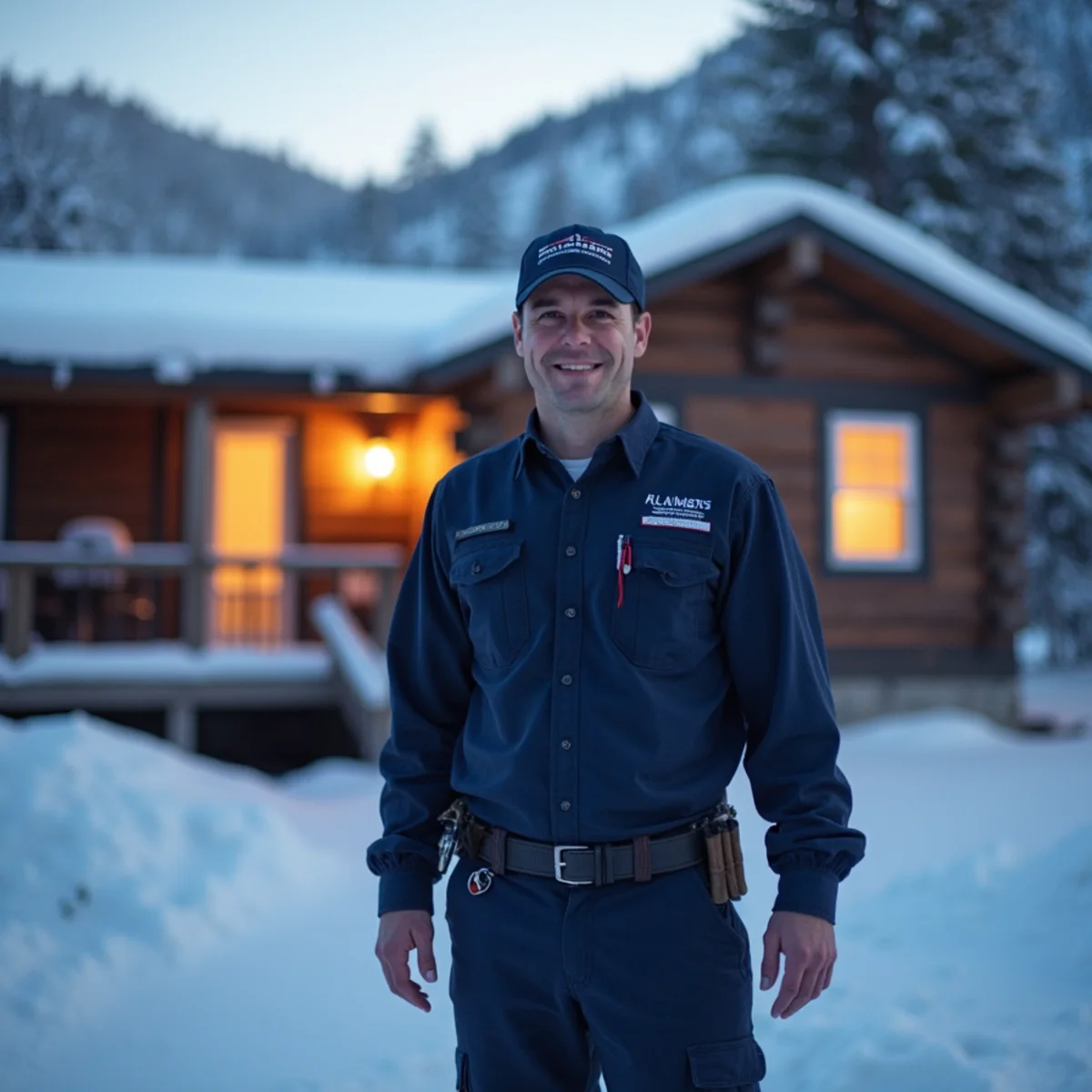
An unheated cabin with the water on is a burst pipe waiting to happen. Here's how to winterize your mountain home before the first hard freeze.
Mountain cabins in Crestline, Lake Arrowhead, Running Springs, and Big Bear face a risk valley homes rarely do: hard winter freeze. When a cabin sits empty and temperatures drop, water left in the pipes can freeze, expand, and burst a line — often discovered only when the owner returns to a flooded home. Winterizing prevents it.
If you're leaving the cabin for the season
- Shut off the main water supply
- Drain the system by opening the lowest faucets and flushing toilets
- Drain or properly set the water heater per its type
- Add non-toxic RV/plumbing antifreeze to traps and toilets to protect them
- Consider having the lines professionally blown out with air
If you use the cabin through winter
- Insulate exposed pipes in crawlspaces, exterior walls, and unheated areas
- Keep the thermostat at a minimum temperature even when away
- Let faucets drip during hard freezes to relieve pressure
- Seal drafts near pipe runs and open cabinet doors to share heat
- Know where your main shut-off is for a fast response
Well systems need extra care
Many Big Bear City and foothill cabins run on private wells. Well pumps, pressure tanks, and above-ground lines are all freeze-vulnerable and need insulation or heat tape. Factor these into your winterization plan.
If a pipe already burst
Shut off the water immediately, keep clear of any electrical hazards, and call for emergency service. Fast response and drying within the EPA's 24–48-hour window limit the damage. A local plumber who understands mountain conditions can repair the break and help you prevent the next one.
A plumber's take: the mistakes that flood empty cabins
The floods we're called to after a freeze usually trace to a few avoidable mistakes: the water was left on with the cabin unheated, an exposed pipe in a crawlspace or exterior wall wasn't insulated, or a well pump and pressure tank were forgotten. A pipe that bursts in an empty Big Bear or Crestline cabin can run for days before anyone notices. Full winterization — shutting off and draining, not just nudging the thermostat — is what prevents it.
Well systems need their own winter plan
Many Big Bear City and foothill cabins run on private wells, and those components freeze too. The pump, pressure tank, and any above-ground lines need insulation or heat tape, and the system should be properly shut down if the cabin will sit empty. We factor the well into every mountain winterization rather than treating it as an afterthought.
Heat tape and insulation: what actually works
For cabins used through winter, the goal is keeping vulnerable lines above freezing without relying on luck. Pipe insulation slows heat loss but doesn't add heat, so on its own it only delays freezing on the coldest nights. Thermostatically controlled heat tape, applied per the manufacturer's instructions and paired with insulation over it, is what actually protects exposed runs in crawlspaces, exterior walls, and along the well line. Seal drafts near pipe chases, keep cabinet doors open so household heat reaches under-sink plumbing, and let a faucet drip during hard freezes to relieve pressure. These measures work together — no single one is a guarantee at Crestline or Big Bear elevations, but combined they keep the vast majority of occupied cabins freeze-free.
The bottom line
Mountain plumbing lives or dies by winter prep. If you'll be away, shut off and drain the system and protect the well; if you'll use the cabin, insulate exposed lines and keep heat on. Either way, know where your main shut-off is — and call us fast if a freeze wins.
A pre-arrival checklist for reopening in spring
If you're not comfortable opening the system yourself after a hard winter, we can handle the reopening — restoring water pressure gradually, checking every fitting and exposed run, and confirming the water heater and well components came through the season. It's a short visit that catches a freeze-split pipe at the source instead of letting it announce itself as a flood in a cabin you just reopened.
Reopening a winterized cabin has its own short checklist. Before turning the water back on, walk the interior and crawlspace looking for any line that split over the winter, then open the main slowly and watch for pressure drops or the sound of running water. Check under sinks and at the water heater for weeping fittings, and if you added antifreeze to traps, flush them through. Opening the system carefully catches a freeze-damaged pipe at a dry faucet instead of discovering it as a flood an hour later.
Related services & areas