
How to Detect a Hidden Water Leak Before It Costs You
By The Rialto Plumbing Pros Team · December 18, 2025 · 6 min read
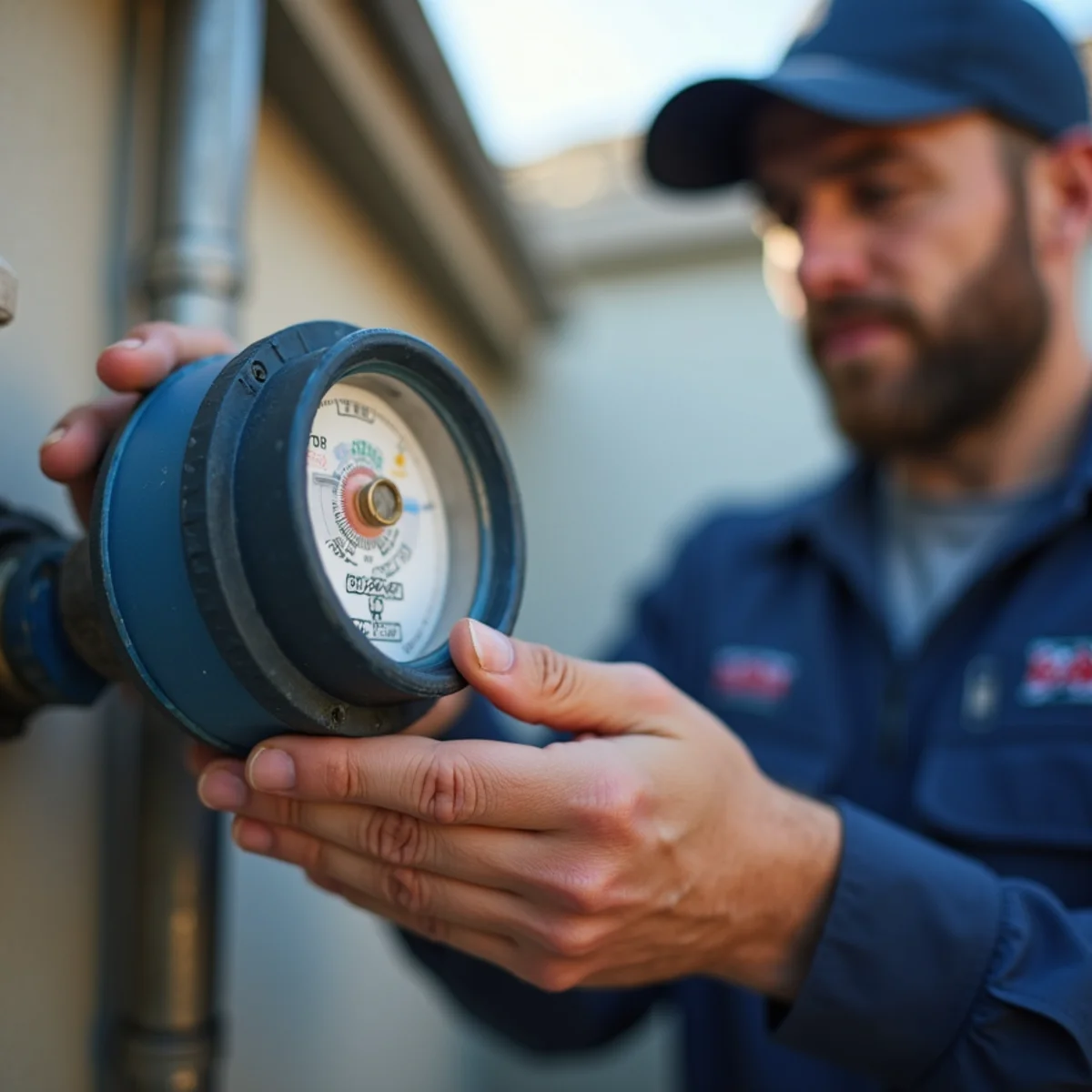
You can catch many hidden leaks yourself with a few simple checks. Here's how — and when to bring in electronic leak detection.
A hidden leak can quietly waste thousands of gallons and rot framing before you ever see a drip. The good news: a few simple checks can catch many leaks early, and precise detection can pinpoint the rest without tearing your home apart.
The water meter test
Turn off every water-using fixture and appliance, then check your water meter. If the leak indicator (a small dial or triangle) is moving, water is flowing somewhere it shouldn't. For a slower leak, note the reading, wait an hour with no water use, and check again for a change.
Signs worth investigating
- A water bill that rose without a change in usage
- The sound of running water when nothing is on
- Damp, discolored, or musty drywall, ceilings, or flooring
- A warm spot on the floor (possible slab leak)
- Low water pressure with no obvious cause
- Mold or mildew returning after cleanup
The toilet dye test
Toilets are silent water-wasters. Put a few drops of food coloring in the tank and wait 15 minutes without flushing. If color appears in the bowl, the flapper is leaking — an easy, cheap fix that can save a surprising amount of water.
When to call for leak detection
If your meter shows a leak but you can't find it, professional leak detection ($190–$610 locally) uses pressure testing to confirm the loss and electronic or acoustic tools to pinpoint the source. Neither test means every wall or floor must be opened — the goal is a targeted repair. Acting quickly also protects any insurance claim, since wet materials should begin drying within the EPA's 24–48-hour window.
A plumber's take: the tools that find leaks without demolition
Once a meter test confirms a leak, the goal is to find it precisely. A pressure test isolates whether it's the supply side; acoustic sensors listen for the hiss of escaping water; and electronic locating narrows it to a spot. Combined, these usually pin most leaks to a small area, so we open only what's needed. The days of opening a whole wall to 'look' should be behind us.
Where hidden leaks hide in Inland Empire homes
We find hidden leaks most often at slab-routed lines, aging galvanized supply, corroded fittings behind tile, and where hard-water scale has thinned a copper line to a pinhole. Warm floors point to a hot-water slab leak; damp baseboards suggest a wall line; a spiking bill with no visible source is the classic sign to investigate. Catching any of these early keeps the repair — and the water bill — small.
Toilets: the silent water-waster
Toilets quietly waste more water than almost any other fixture, and the leak is often invisible. The classic culprit is a worn flapper that lets water seep from the tank to the bowl around the clock. Test for it with the dye trick: put a few drops of food coloring in the tank and wait fifteen minutes without flushing — if color appears in the bowl, the flapper is leaking. A running or 'ghost-flushing' toilet that refills on its own is the audible version of the same problem. Both are cheap, fast fixes that can knock a surprising amount off a high bill. If you've ruled out toilets and the meter still moves, that's when it's time for professional leak detection.
The bottom line
A hidden leak wastes water and rots framing long before you see a drip. Run the meter and toilet-dye tests, watch for the warning signs, and bring in electronic detection if the meter moves. We locate leaks precisely and document them for your insurance.
How a small leak becomes a big bill
There's also a hidden-damage cost beyond the water itself. Chronically damp framing and drywall invite mold and can weaken structural materials, turning a modest plumbing repair into a remediation project. Acting on the first signs — a meter that moves with everything off, an unexplained bill, a musty smell — keeps the problem in the plumbing category instead of the restoration category, which is almost always the cheaper place to solve it.
The danger of a hidden leak is time. A pinhole that drips a cup an hour is invisible on day one and a rotted subfloor by month three, and the water bill climbs the whole time. Slab leaks are worse because the water goes into the ground and under the foundation before it ever reaches a surface you can see. That's why we treat an unexplained bill spike or a moving meter as urgent: the leak isn't going to stop on its own, and every week it runs adds to both the water waste and the eventual repair.
Related services & areas