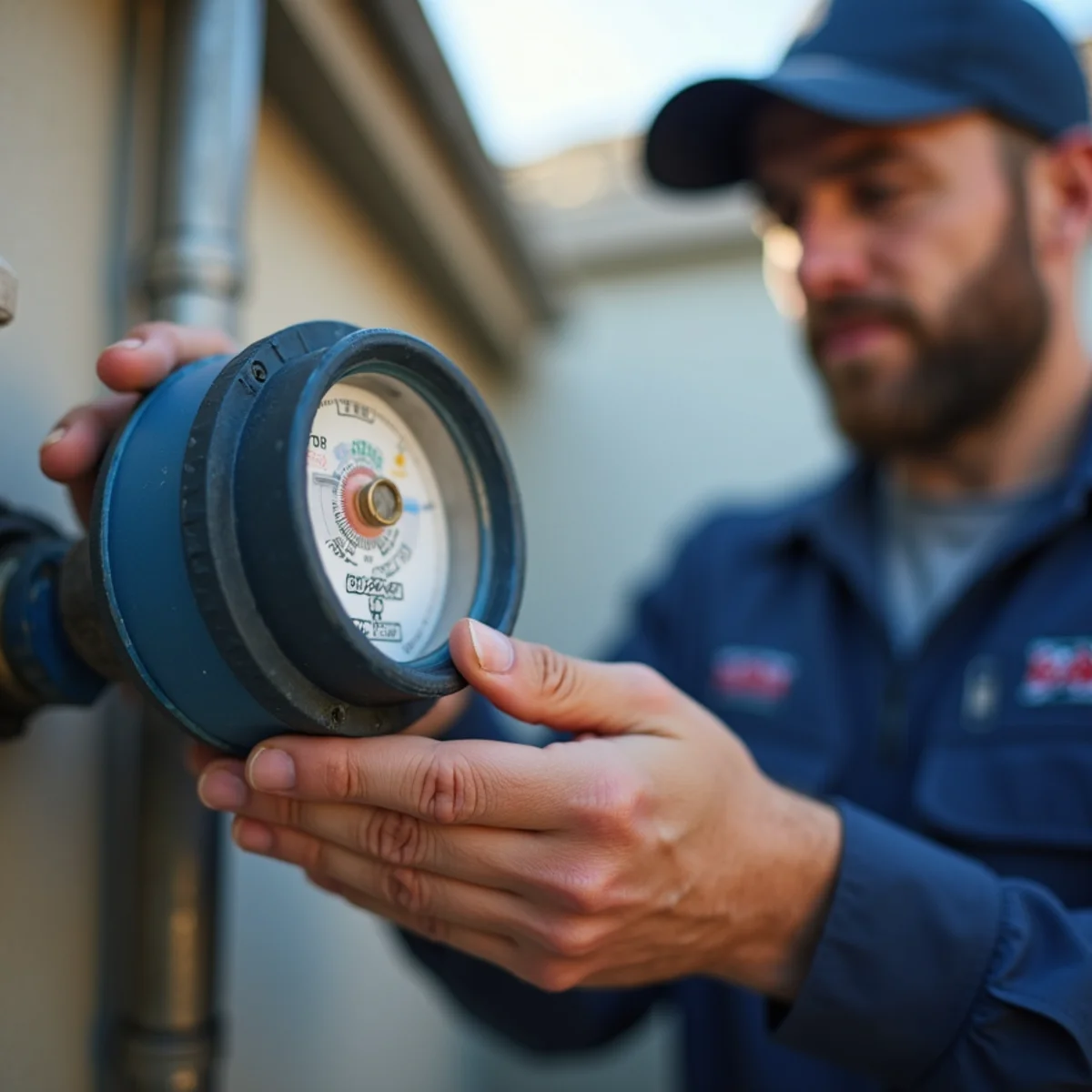
Is Rialto's Hard Water Damaging Your Pipes & Fixtures?
By The Rialto Plumbing Pros Team · January 28, 2026 · 7 min read
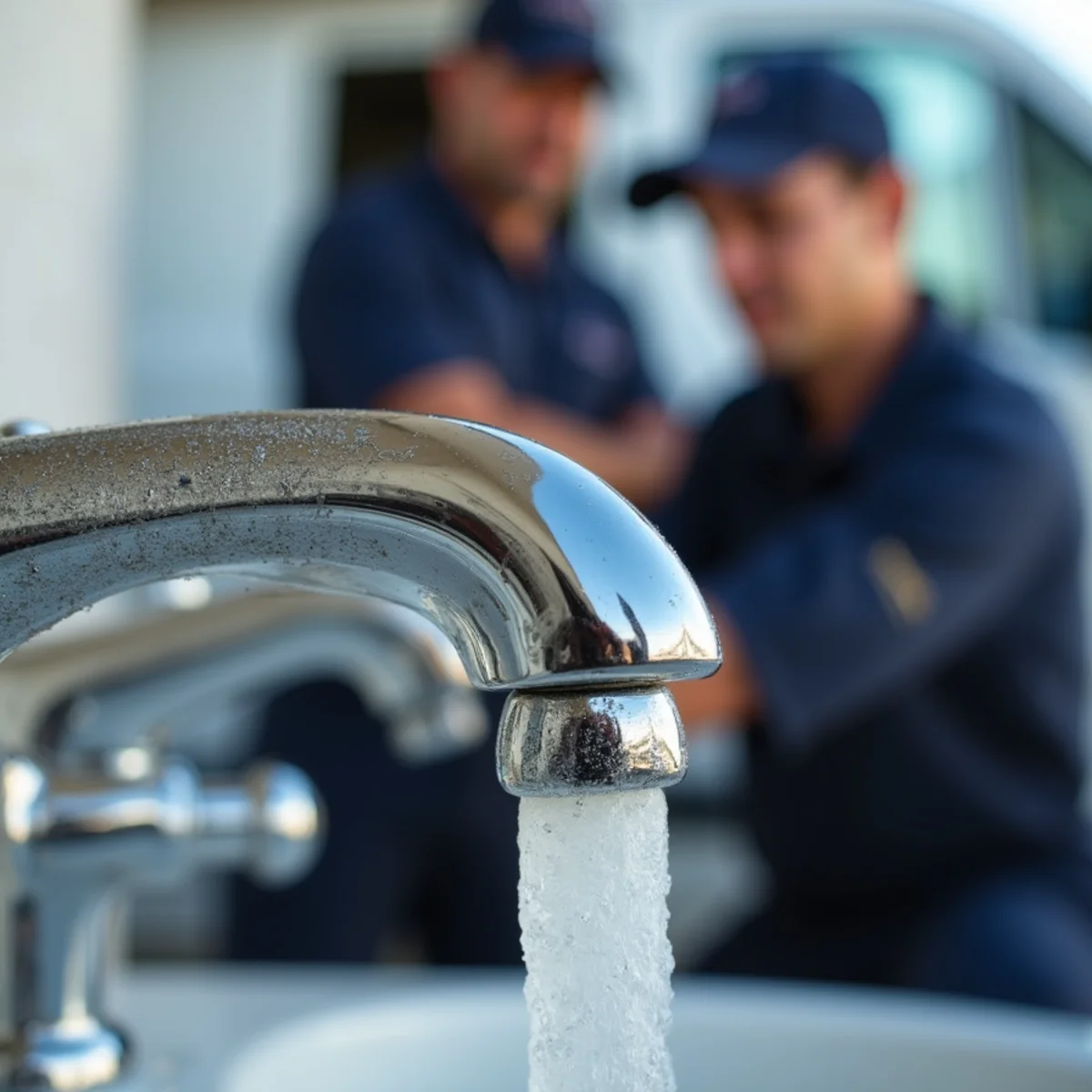
Rialto's hard water leaves more than spots on your dishes. Here's what scale does to your plumbing — and how to treat the measured problem.
If your dishes come out spotty, your fixtures wear a white crust, and your water heater rumbles, you're seeing hard water at work. Rialto's 2024 water report lists an average hardness of 160 mg/L, and those dissolved minerals settle as scale throughout your plumbing system.
What scale actually does
- Coats the inside of water heaters, reducing efficiency and shortening their life
- Narrows pipe diameter over time, contributing to pressure loss
- Clogs aerators and showerheads, weakening flow
- Wears out faucet cartridges and valve seats, causing drips
- Leaves spots and film on dishes, glass, and fixtures
Hardness alone isn't a diagnosis
Here's the honest part: hardness alone doesn't prove a failure. Before recommending a whole-house system, a technician should identify the visible scale — at aerators, showerheads, valves, and water-heater connections — review any treatment already in place, consider your household capacity, and explain maintenance and replacement-part costs. Treat the measured problem, not a sales pitch.
Your options
Depending on what the assessment shows, the answer might be a water softener (which removes hardness minerals via ion exchange), a conditioner (which alters how minerals behave without adding sodium), whole-home filtration, descaling, or targeted component replacement. Ask about treatment capacity, installation scope, maintenance frequency, consumables, and replacement-part costs before you buy.
Protecting your water heater
Whatever treatment you choose, pair it with an annual water-heater flush. Reducing scale is one of the most effective ways to extend equipment life in Rialto's hard-water conditions — and it protects the fixtures and appliances you've already invested in.
Softener, conditioner, or filter — which one you actually need
These aren't interchangeable. A softener removes hardness minerals through ion exchange and needs salt; a salt-free conditioner changes how minerals behave to reduce scale without adding sodium; a filter targets sediment, taste, or specific contaminants. The right choice depends on what your water is actually doing to your home. We assess scale at the fixtures and heater first, then recommend only what the measured problem calls for.
A plumber's take: protect the water heater first
If you do one thing about Rialto's hard water, protect the water heater. Scale settles in the tank, insulates the burner, wastes gas, and shortens the unit's life — and it's the most expensive fixture hard water attacks. Pairing treatment with an annual flush is the highest-return move most homeowners can make, and it protects any repipe or new fixtures you've invested in downstream.
The real cost of ignoring scale
It's tempting to treat hard water as a cosmetic annoyance, but the long-run math says otherwise. Scale insulates a water heater's burner or elements, so the unit works harder and costs more to run every month — and it fails years sooner than it should, turning a maintenance item into a full replacement. Scaled aerators and showerheads cut flow and get swapped repeatedly. Faucet cartridges wear out and drip soon after replacement. Even a fresh copper repipe can start collecting scale if the water goes untreated. Weighed against the price of a softener or conditioner and an annual flush, the cost of doing nothing is usually higher — you just pay it in appliance replacements instead of one visible line item.
The bottom line
At 160 mg/L, Rialto's hard water is a genuine maintenance factor, not a sales gimmick. Treat the measured problem, protect your water heater, and follow a simple maintenance schedule. We'll show you where scale is forming and recommend only the treatment your home needs.
The signs your hard water has crossed from nuisance to problem
You can gauge severity yourself with a simple look-around: heavy white crust on aerators and showerheads, a chalky ring inside the kettle, and soap that refuses to lather all point to hardness working on your fixtures. If a new water heater or fresh cartridges scaled up within a year or two, that's the clearest sign the water — not the parts — is the underlying problem worth addressing.
Spots on glassware are cosmetic; other signs mean scale is costing you money. Watch for showerheads and aerators that lose flow, a water heater that rumbles or needs more frequent repairs, and faucet handles that stiffen and drip soon after a cartridge replacement. Those point to scale accumulating where it affects function and lifespan, not just appearance. When you see them, it's worth an assessment — not to sell you a system, but to measure where the scale is forming and decide whether treatment, descaling, or a component swap is the right, proportionate response.
Related services & areas