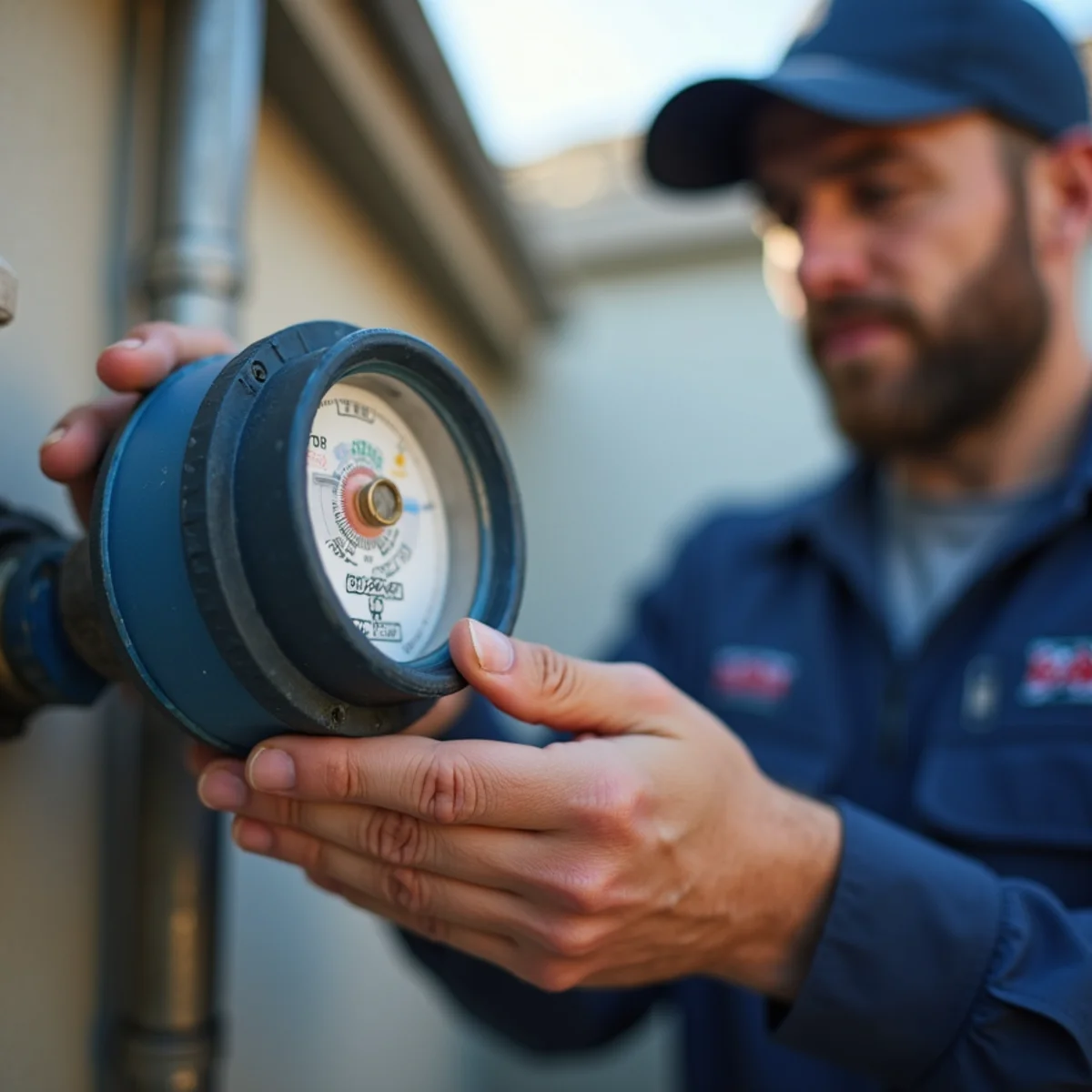
How to Prep Your Sump Pump Before Storm Season
By The Rialto Plumbing Pros Team · September 16, 2025 · 5 min read
A sump pump only matters when it works. Here's how to test and prep yours before storm season — including the backup most homes skip.
A sump pump does nothing all year — until the one storm when it has to move a lot of water fast. That's exactly when a neglected pump fails. A few minutes of prep before storm season is the difference between a dry home and a flooded one.
Test that it actually runs
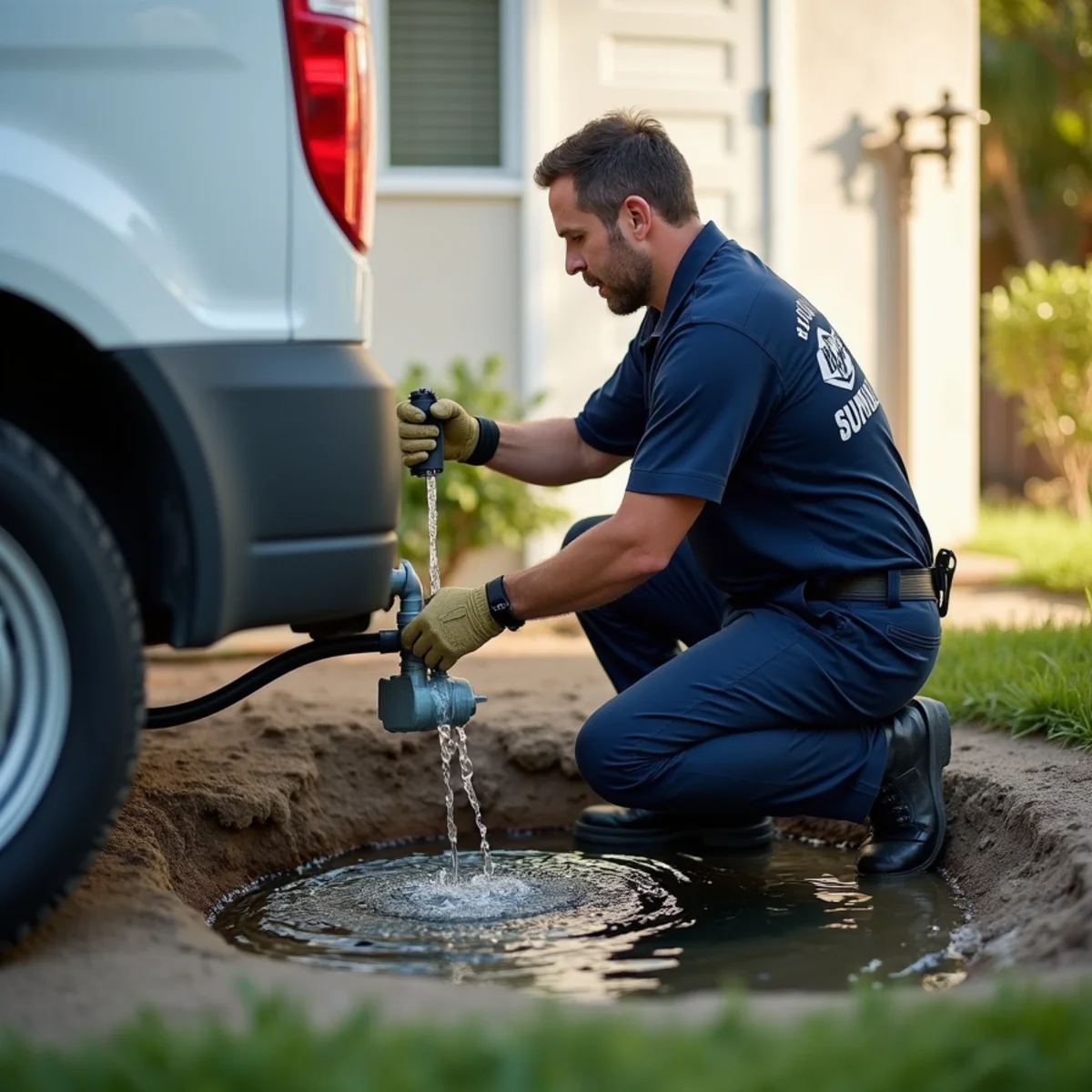
Slowly pour a bucket of water into the sump pit until the float rises. The pump should switch on, pump the water out, and shut off on its own. If it doesn't cycle, hesitates, or runs without discharging, it needs service before the season.
Check the essentials
- Clear debris from the pit and make sure the float moves freely
- Inspect the check valve so water doesn't flow back into the pit
- Confirm the discharge line is clear and carries water well away from the foundation
- Verify the pump is plugged into a working, ideally GFCI-protected, outlet
Add a backup
Storms often bring power outages — precisely when you need the pump most. A battery backup (or water-powered backup) keeps it running when the power's out. If your area loses power in storms, this is the upgrade that pays for itself the first time.
Know your pump's age
Sump pumps often last around 7–10 years. If yours is older, has failed before, or runs constantly, replacing it before storm season is far cheaper than an emergency swap during a flood. For homes with recurring water intrusion, pairing a new pump with drainage improvements and leak detection addresses the source, not just the symptom.
A plumber's take: the failure we see every storm season
The classic storm-season call is a pump that 'worked last year' and didn't this time — a stuck float, a clogged discharge line, or a motor that finally gave out at the worst moment. A two-minute test avoids it: pour water into the pit and confirm the pump switches on, discharges, and shuts off by itself. If it hesitates or runs without moving water, it needs service before the storm, not during it.
Why a backup matters more than the pump
Storms bring power outages, and a pump without power is just a hole in the floor. A battery or water-powered backup keeps it running exactly when you need it most. For homes that flood repeatedly, we also look upstream — grading, drainage, and hidden leaks — because the best sump pump is the one that has less water to move in the first place.
Warning signs your sump pump is about to fail
A sump pump usually gives clues before it quits — you just have to notice them. Constant running or short-cycling on and off suggests a stuck float, an undersized pump, or a check valve letting water flow back into the pit. Unusual noises — grinding, rattling, or excessive vibration — point to a worn motor or impeller. Visible rust, a pump older than about seven to ten years, or water in the pit that the pump isn't clearing are all reasons to act before the next storm rather than after. Because a sump pump only matters during the storm it has to handle, replacing a clearly aging unit on a dry day is far cheaper than an emergency swap while water rises around it.
The bottom line
A sump pump only matters when it works, and it works only if it's tested. Check that it cycles and discharges, clear the pit and line, and add a backup for outages before storm season. We'll do a full pre-storm inspection so you're not bailing water at 2 a.m.
Choosing the right pump and backup
It's also worth thinking about alarms. A simple high-water alarm in the pit warns you the moment the water rises faster than the pump can handle or the pump has failed, buying time to act before the floor floods. Paired with a backup power source, it turns a silent overnight failure into an early warning — cheap insurance for a finished basement, garage, or crawlspace.
If you're replacing rather than repairing, sizing matters more than horsepower on the box. The pump has to match your pit's dimensions and the volume of water your property actually takes on, or it will short-cycle and wear out early. For backup, a battery system covers the common case of a storm-driven power outage, while a water-powered backup runs as long as you have municipal water pressure. We help you weigh the two against your outage history and pit setup, so the system fits your home rather than a generic spec.
Related services & areas