Signs You Have a Hidden Slab Leak in Your Home
By The Rialto Plumbing Pros Team · September 8, 2025 · 6 min read

Slab leaks hide under your foundation and waste water for months. Here are the warning signs worth acting on before the damage spreads.
A slab leak is a leak in a pipe running beneath your home's concrete foundation. Because it's hidden, it can waste water and undermine your slab for months before you notice. Rialto's slab-on-grade tract homes are especially prone to them, so knowing the early signs pays off.
7 signs of a hidden slab leak
Slab leaks hide under the concrete, so you diagnose them by their symptoms. Watch for these seven.

A warm spot on the floor
A patch of floor that feels warm underfoot often means a hot-water line is leaking beneath the slab.

An unexplained high water bill
A bill that jumps with no change in usage is a classic slab-leak tell — water is escaping around the clock.

The sound of running water
Hearing water move when every fixture is off points to a leak inside a wall or under the foundation.
Low water pressure
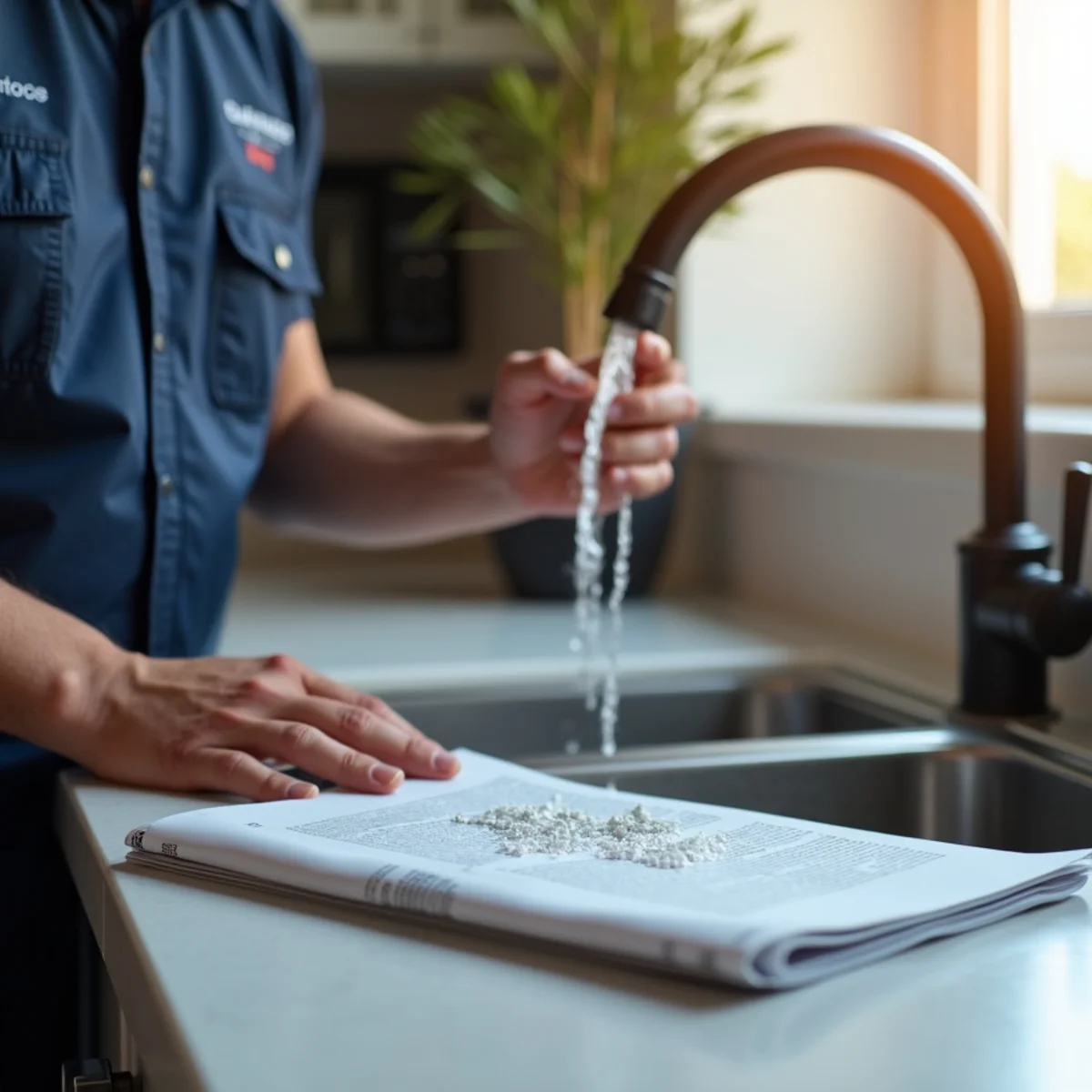
A slab leak bleeds off pressure, so faucets and showers throughout the home run weaker than they should.
Cracks in flooring or foundation
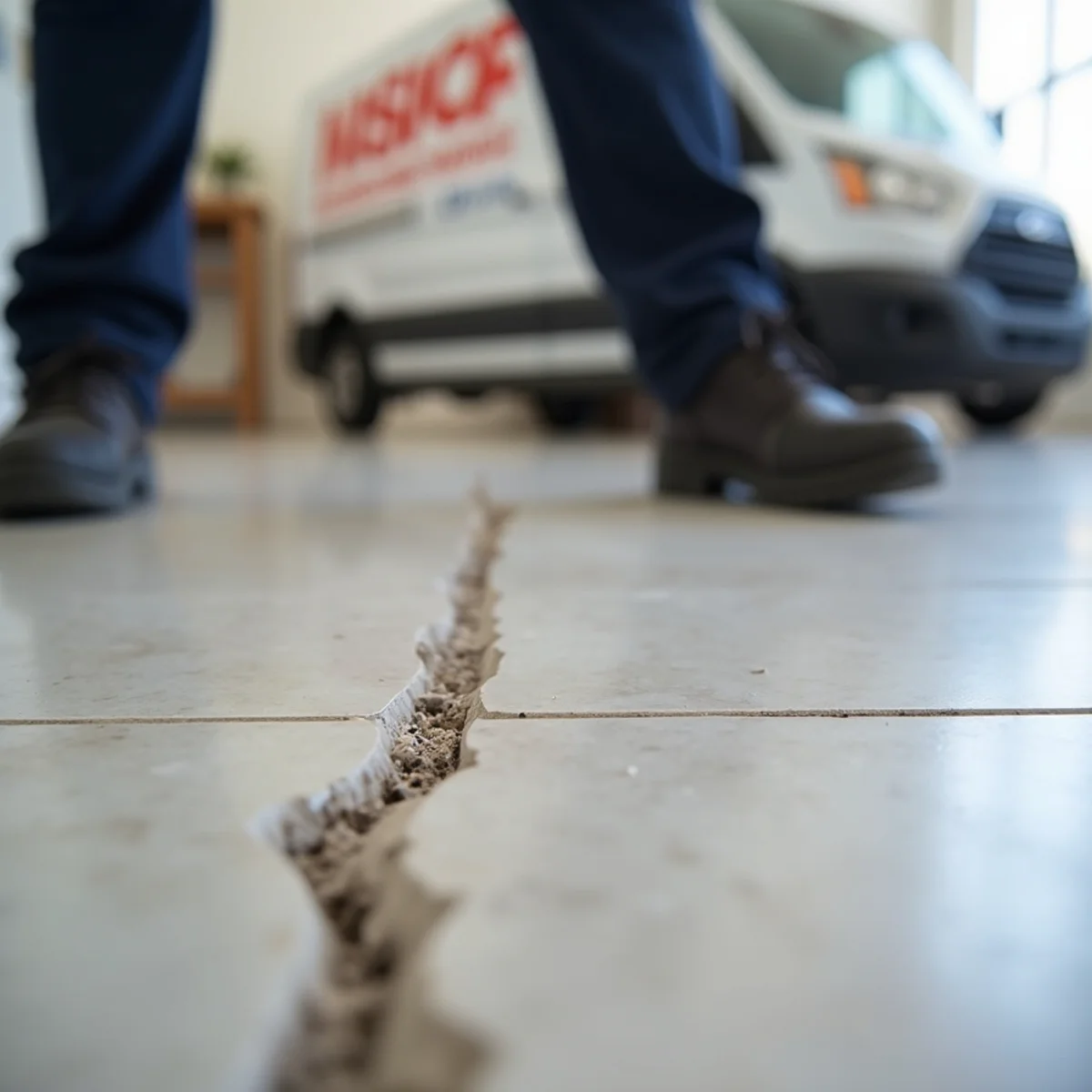
Water eroding soil under the slab shifts the foundation, opening cracks in tile, flooring, or walls.
Damp or warped flooring
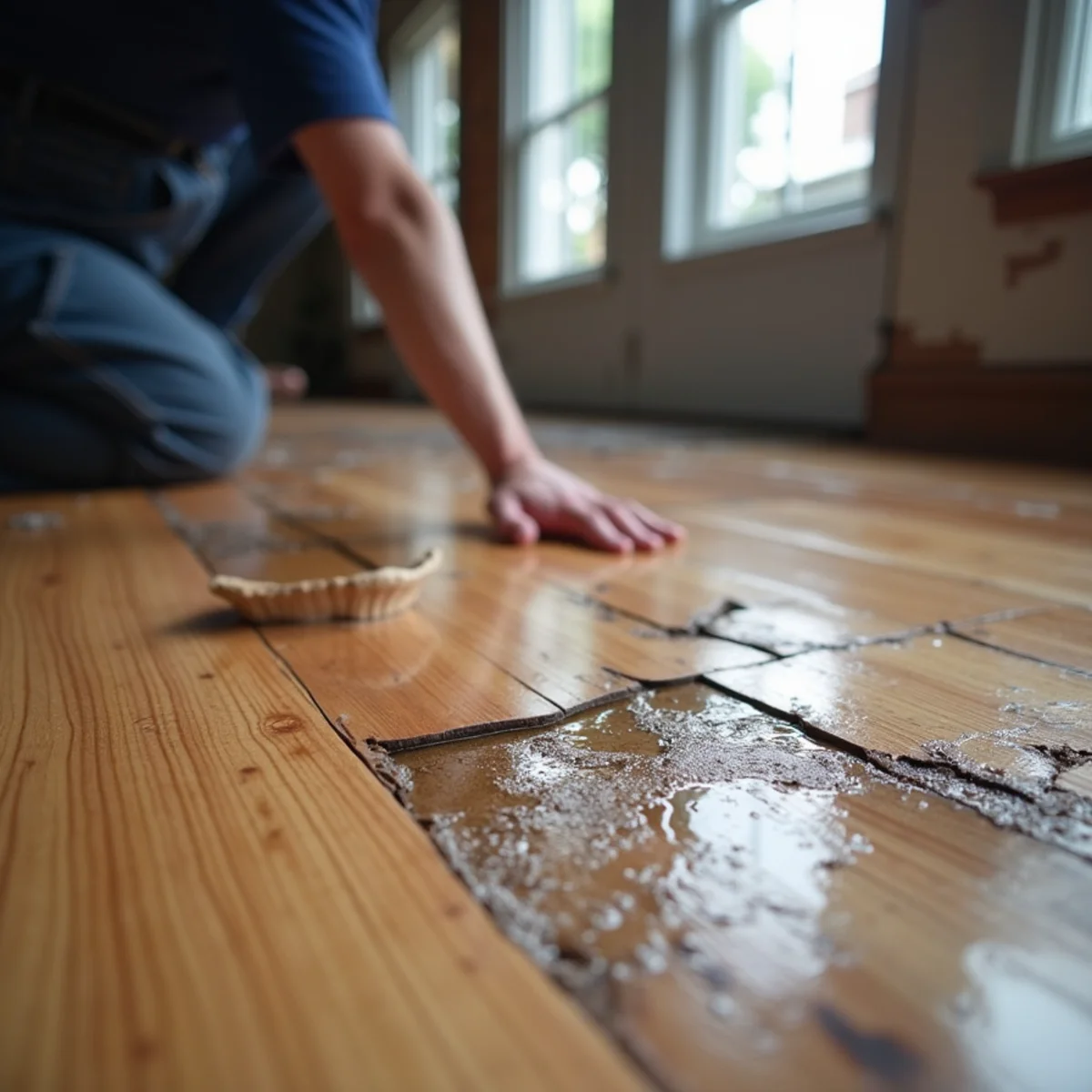
Moisture wicking up through the slab warps wood, lifts tile, and discolors flooring with no visible source above.
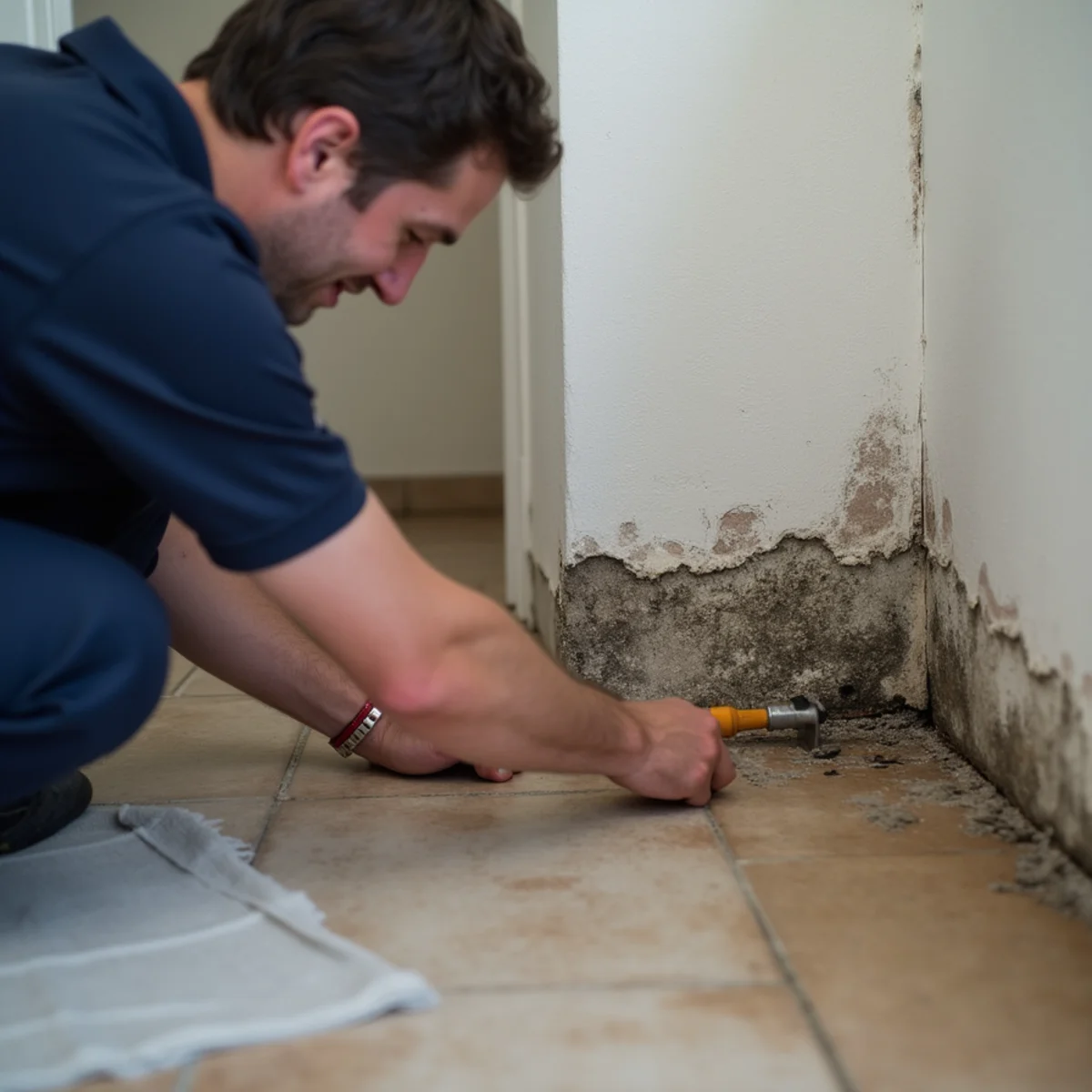
Mold or a musty smell
A musty odor or mold that keeps returning after cleaning signals ongoing moisture from a hidden leak.
Why Inland Empire homes are prone to slab leaks
Local soils include alluvial and expansive deposits that shift with moisture, stressing pipes routed through the slab. Add hard-water scale inside copper lines and, regionally, fault-related movement, and you have conditions that wear slab pipes over time. These factors support careful diagnosis — they don't mean every home will leak.
What to do if you suspect one
Don't start opening floors. A plumber confirms a slab leak with pressure testing to show system loss, then uses electronic locating to pinpoint the spot — so only the necessary area is opened. Leak detection runs $190–$610 locally and slab-leak repair $1,450–$4,500.
Depending on the location and how many leaks you've had, the right fix might be a spot repair, a reroute, or repiping the affected line. Early detection almost always means a smaller, cheaper repair — and a stronger insurance position.
A plumber's take: how we confirm it before touching the floor
A warm spot or a high bill is a clue, not a diagnosis. We confirm a slab leak with a pressure test that shows the system is losing water, then use electronic and acoustic locating to pinpoint the spot under the concrete. That means we open only the located area — no exploratory demolition. Homeowners are often surprised how small the access point is once the leak is properly located.
Spot repair, reroute, or repipe — how we choose
The right fix depends on the location, the pipe's condition, and how many leaks you've had. A single isolated leak may suit a spot repair through the slab. Recurring leaks often favor rerouting the line overhead or repiping the affected run, which avoids opening the concrete again and again. We compare cost, disruption, and long-term reliability so you can decide with full information.
What a slab-leak repair day actually looks like
Homeowners often picture jackhammers through the whole house — the reality is usually far smaller. After we confirm and locate the leak, most repairs take one of three forms. A spot repair opens only the located section of slab, fixes the pipe, and restores the surface. A reroute abandons the failed under-slab line and runs a new one overhead through walls and the attic, avoiding concrete work entirely. A partial repipe replaces a run that's had multiple failures. Which one fits depends on the location, the pipe's condition, and how many leaks you've had. Most jobs are done in a day or two, and you typically stay in the home. Knowing the options ahead of time makes the estimate far less intimidating.
The bottom line
Slab leaks waste water and undermine your foundation while they hide, so early action pays off. If you see the warning signs, get a precise diagnosis before anyone opens a floor. We locate the leak, compare your repair options, and document everything for insurance.
What to do the moment you suspect one
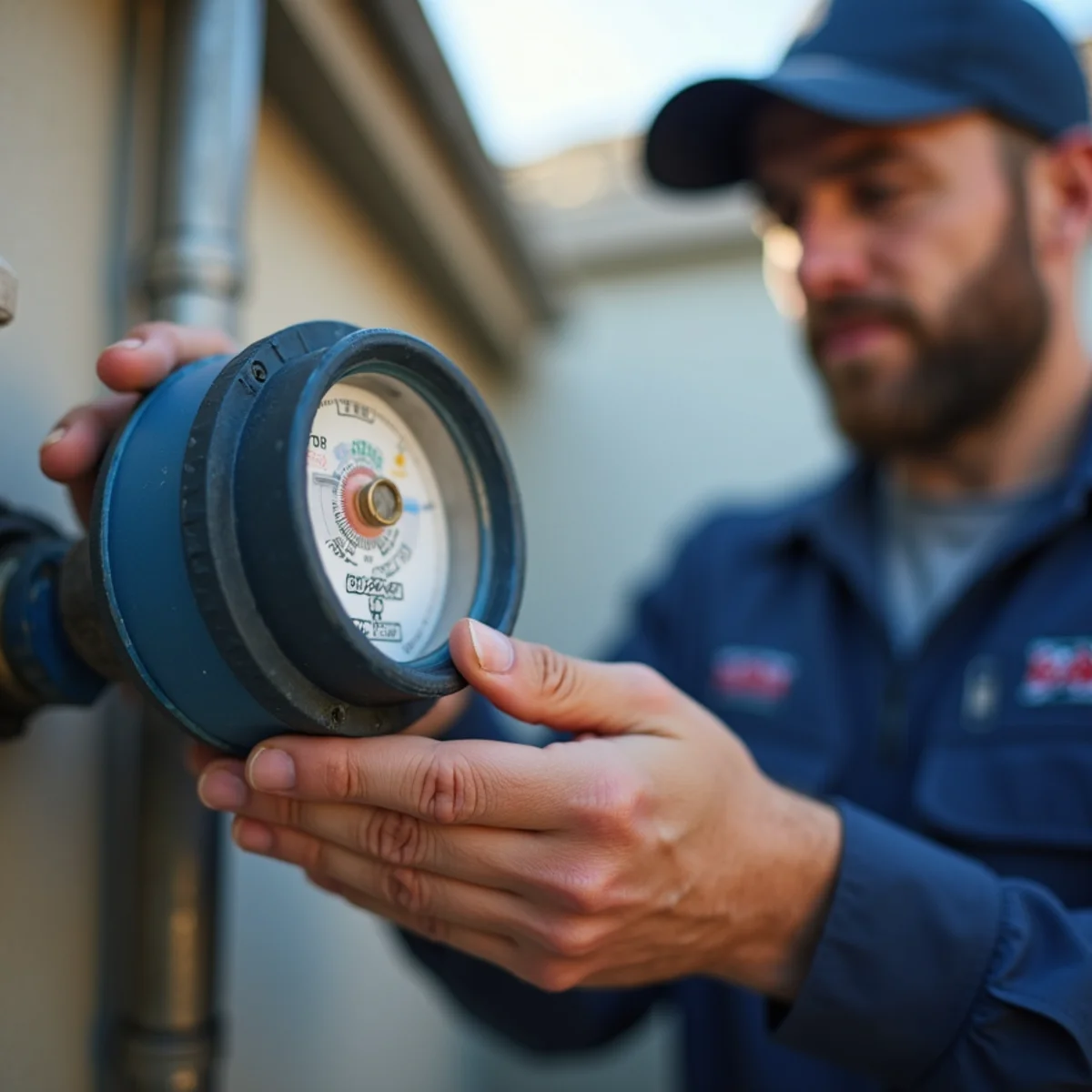
If several signs line up, take two quick steps before you call. First, check your water meter with every fixture off; a moving indicator confirms the system is losing water somewhere. Second, note when the signs started and photograph anything visible — warped flooring, a warm spot, staining. That information helps us locate the leak faster and gives your insurer the timeline they'll ask for. Then call for a proper diagnosis: pressure testing and electronic locating pinpoint the leak so the repair is targeted, not exploratory.
Related services & areas