Sewage Backing Up? Emergency Steps for Inland Empire Homes
By The Rialto Plumbing Pros Team · October 28, 2025 · 6 min read
A sewage backup is both an emergency and a health hazard. Here's how to respond safely and why the cause matters as much as the cleanup.
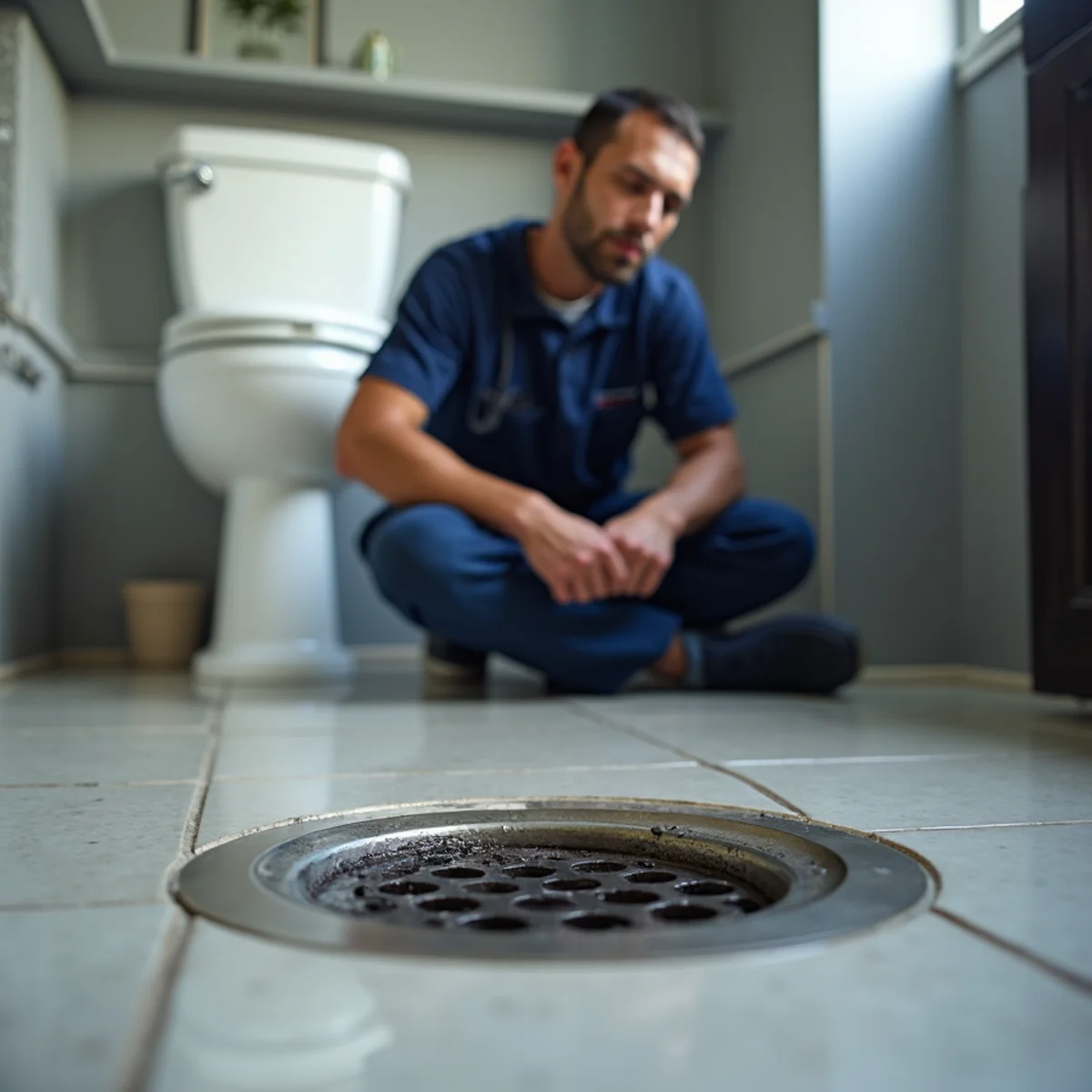
Raw sewage in a tub, shower, or floor drain is one of the few plumbing problems that's both a property emergency and a health hazard. It usually signals a blockage or defect in the main line — not a single clogged fixture — which is why clearing it and finding the cause are two different jobs.
Stop using water immediately
Every flush, load of laundry, or running faucet adds to a backup. Stop all water use in the home until the line is clear. This single step prevents a bad situation from becoming a flooded one.
Keep people and pets away
Sewage carries bacteria and contaminants. Keep everyone out of the affected area, don't touch the water without protection, and ventilate the space if you can do so safely. Don't attempt to plunge a main-line backup — it can force contaminated water further into the home.
Call for emergency service
A licensed plumber will relieve the backup safely, then camera-inspect to find why it happened. Common causes across the Inland Empire include root intrusion in clay laterals, grease and scale buildup, a collapsed section, or an offset joint. Clearing the line without finding the cause often means another backup within months.
Document for insurance
Photograph the affected areas and materials, note when it started, and keep invoices. Some policies cover sewer or water backup, sometimes only with a specific endorsement. A written plumbing diagnosis helps your claim.
Local pricing context: drain cleaning runs about $145–$440, hydro jetting $290–$780, camera inspection $145–$390, and sewer repair $980–$5,000+ depending on the defect found.
Preventing the next backup
If you've had more than one backup, ask for a camera inspection rather than repeated clearing. Roots and grease respond to hydro jetting on a maintenance schedule; a broken or offset lateral needs repair or a trenchless fix. The goal is to solve the cause, not just today's symptom.
Why a sewage backup is a health hazard, not just a mess
Raw sewage carries bacteria, viruses, and other contaminants, which is why the response is different from a clean-water leak. Keep people and pets out of the affected area, don't run any water, and don't try to plunge a main-line backup — pressure can force contaminated water further into the home. Porous materials the sewage touched, like carpet and drywall, often can't be salvaged and should be assessed by a restoration pro.
A plumber's take: clearing the line is only half the job
We can relieve almost any backup in one visit, but if we stop there, you'll likely see another within months. The real fix comes from the camera inspection afterward: it tells us whether roots, grease, a collapsed section, or an offset joint caused it. In older Inland Empire neighborhoods with clay laterals, roots are the usual culprit — and they need either scheduled jetting or a repair at the entry point, not just another snake.
Cleaning up safely after a backup
Once the line is clear, the cleanup matters as much as the plumbing. Treat everything the sewage touched as contaminated: wear gloves and eye protection, ventilate the area, and bag porous materials — carpet, pad, and soaked drywall — that usually can't be disinfected. Hard surfaces can be cleaned and sanitized, but standing water and saturated materials are a job for professional restoration when the affected area is large. Start drying within the EPA's 24–48-hour window to limit mold, and keep children and pets out until the space is fully cleaned. Photograph everything first — the documentation supports both your insurance claim and any decision about what to replace.
The bottom line
Stop using water, keep everyone clear, and call for emergency help. We relieve the backup safely, find the cause on camera, and document everything for your insurance so the same emergency doesn't repeat.
After the emergency: preventing the next one
Once the immediate backup is cleared and cleaned, the goal shifts to prevention. If the cause was roots in a clay lateral, options range from scheduled hydro jetting to a spot repair or lining at the entry point. If it was grease, a maintenance-jetting interval keeps the line open. If a section had collapsed or offset, repair or replacement is the durable fix. We base the recommendation on what the camera showed, not a guess — and we document it so you have a record if the backup caused damage you need to claim.
Related services & areas