10 Ways to Prevent Clogged Drains & Costly Backups
By The Rialto Plumbing Pros Team · August 27, 2025 · 6 min read
Most clogs are preventable. These ten simple habits keep your drains flowing and help you avoid the emergency backups nobody wants.
Most drain clogs build up slowly from everyday habits — and that means most are preventable. A few simple changes keep grease, hair, and debris out of your pipes and save you from the backups that lead to emergency calls.
10 ways to keep your drains clear
Small habits prevent most clogs. Work these ten into your routine and you'll rarely need an emergency call.

Never pour grease down the drain
Grease and oil solidify inside the pipe and catch everything else. Let them cool and throw them in the trash.
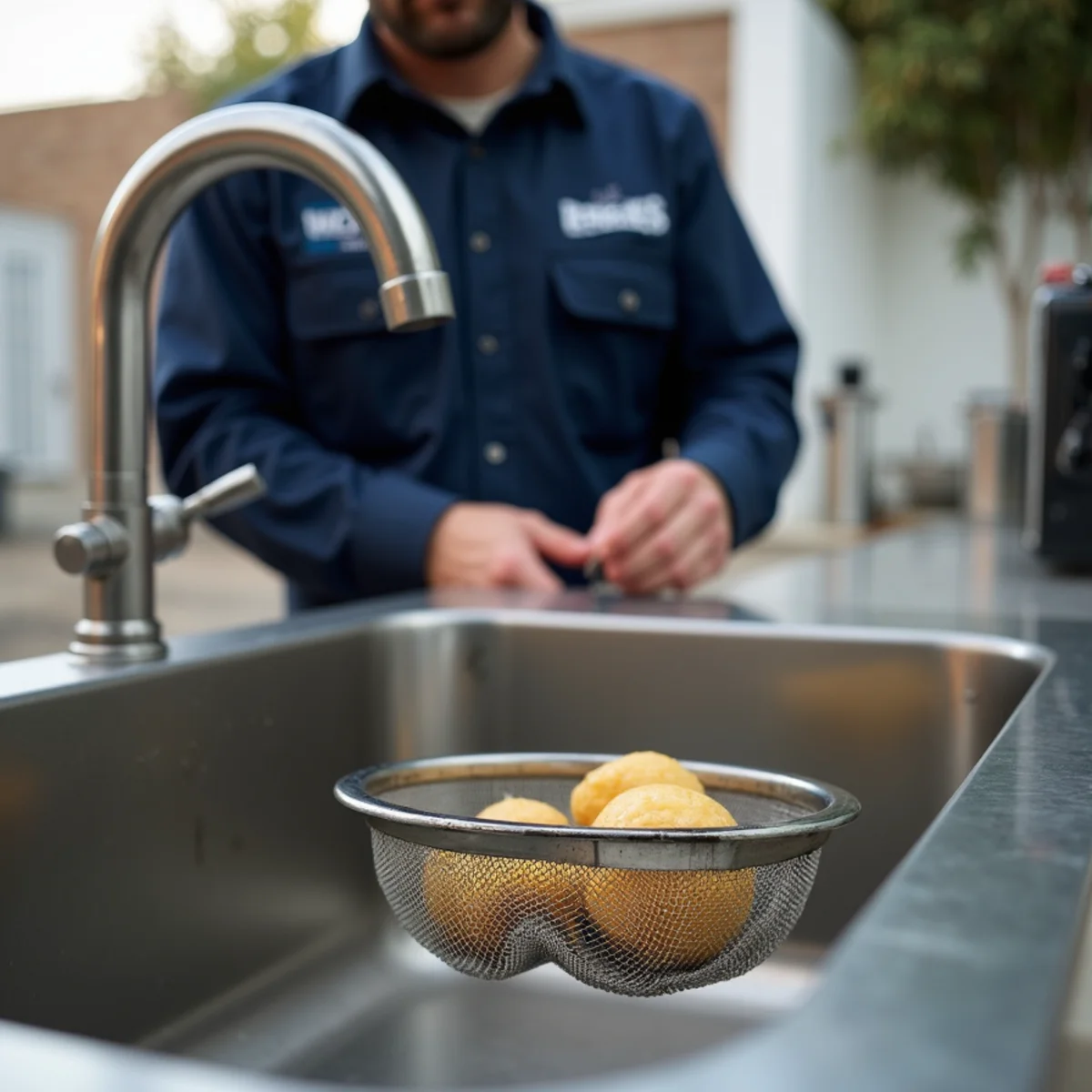
Use a sink strainer
A simple mesh strainer catches food scraps before they reach the pipe — the cheapest clog insurance there is.
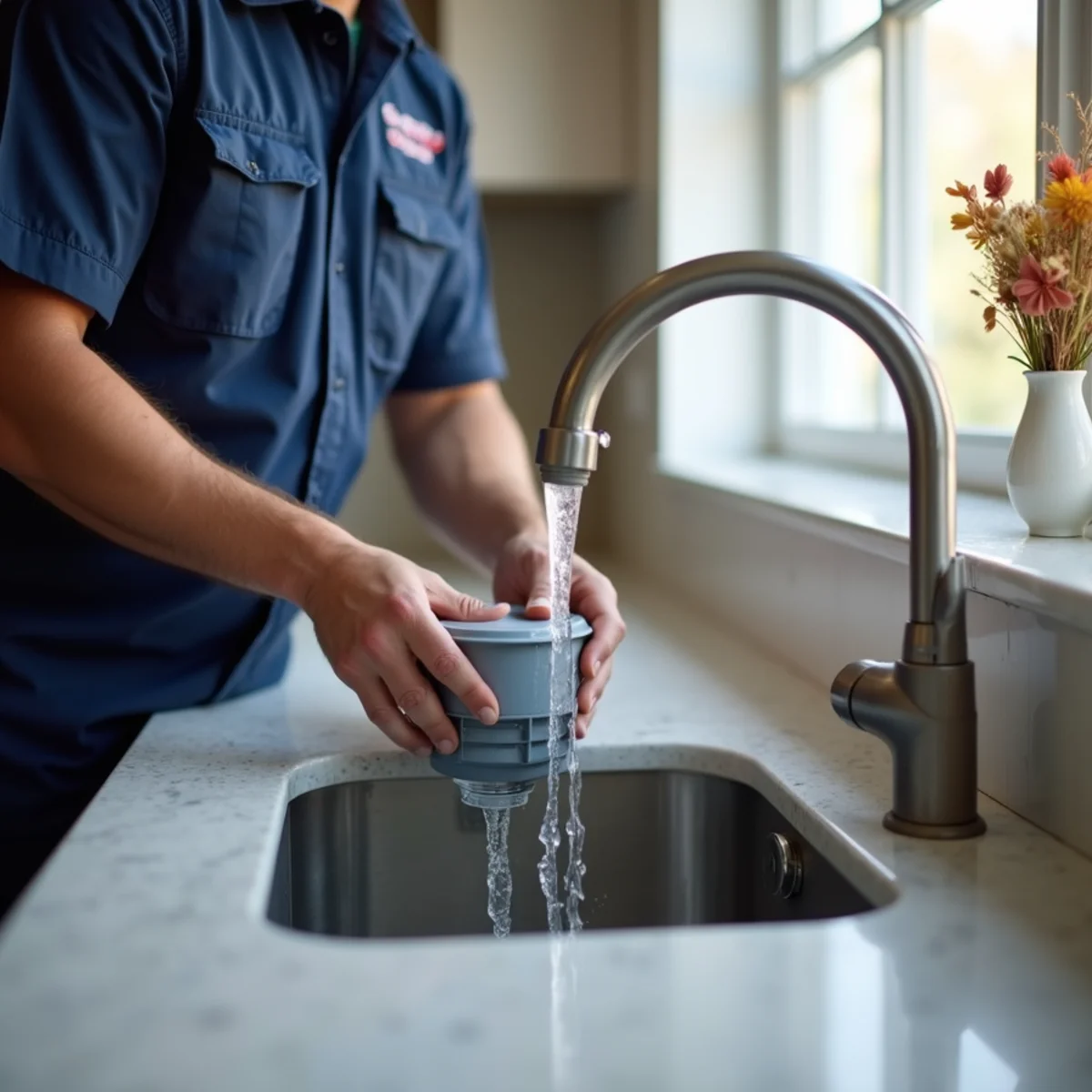
Run cold water with the disposal
Cold water keeps fats solid so the disposal can chop and flush them. Don't overload it, and feed scraps slowly.

Keep fibrous foods out of the disposal
Celery, coffee grounds, and starchy scraps like potato peels bind together and jam disposals and drains.
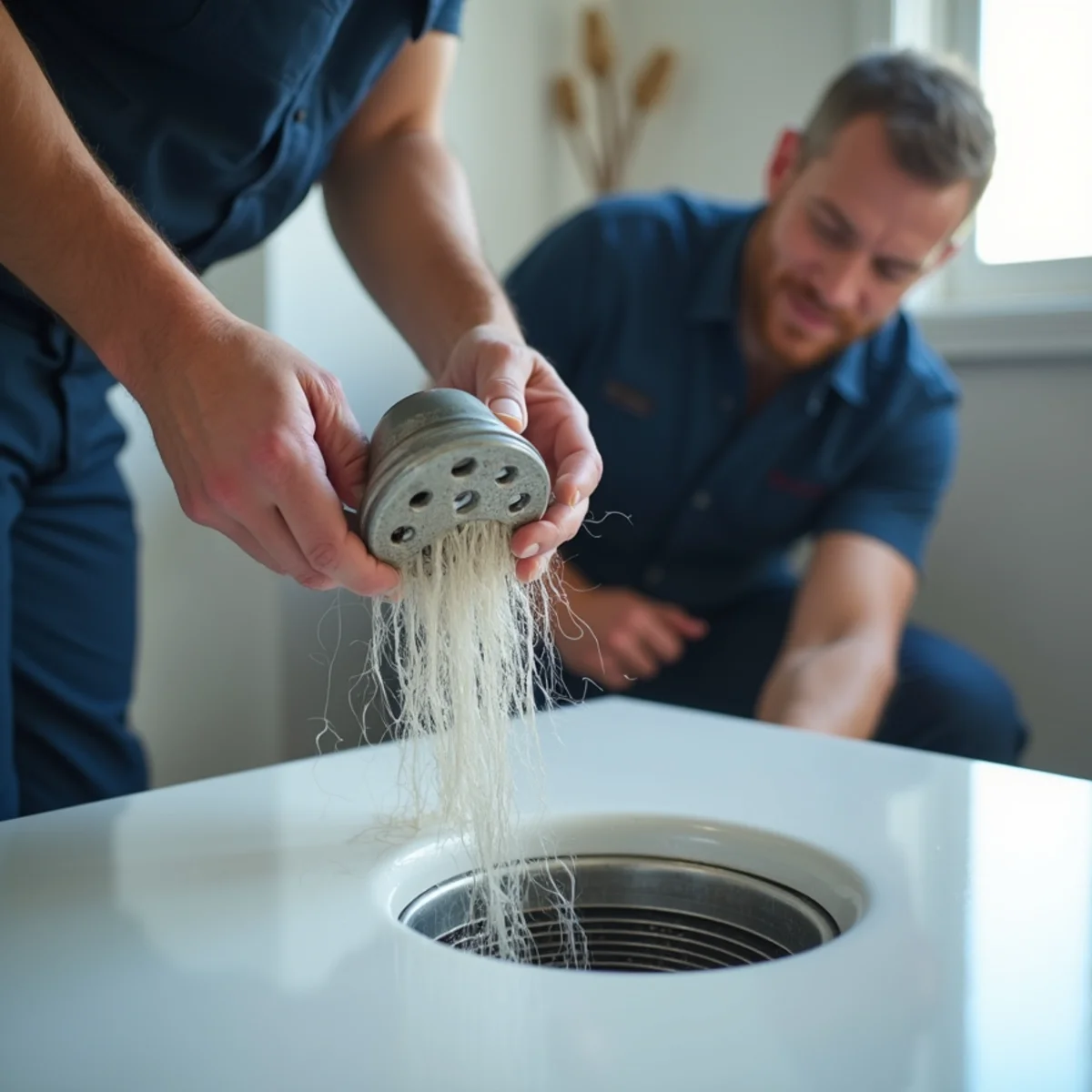
Use a hair catcher in tubs & showers
Hair is the number-one bathroom clog. A drain screen stops it before it wraps around the trap.
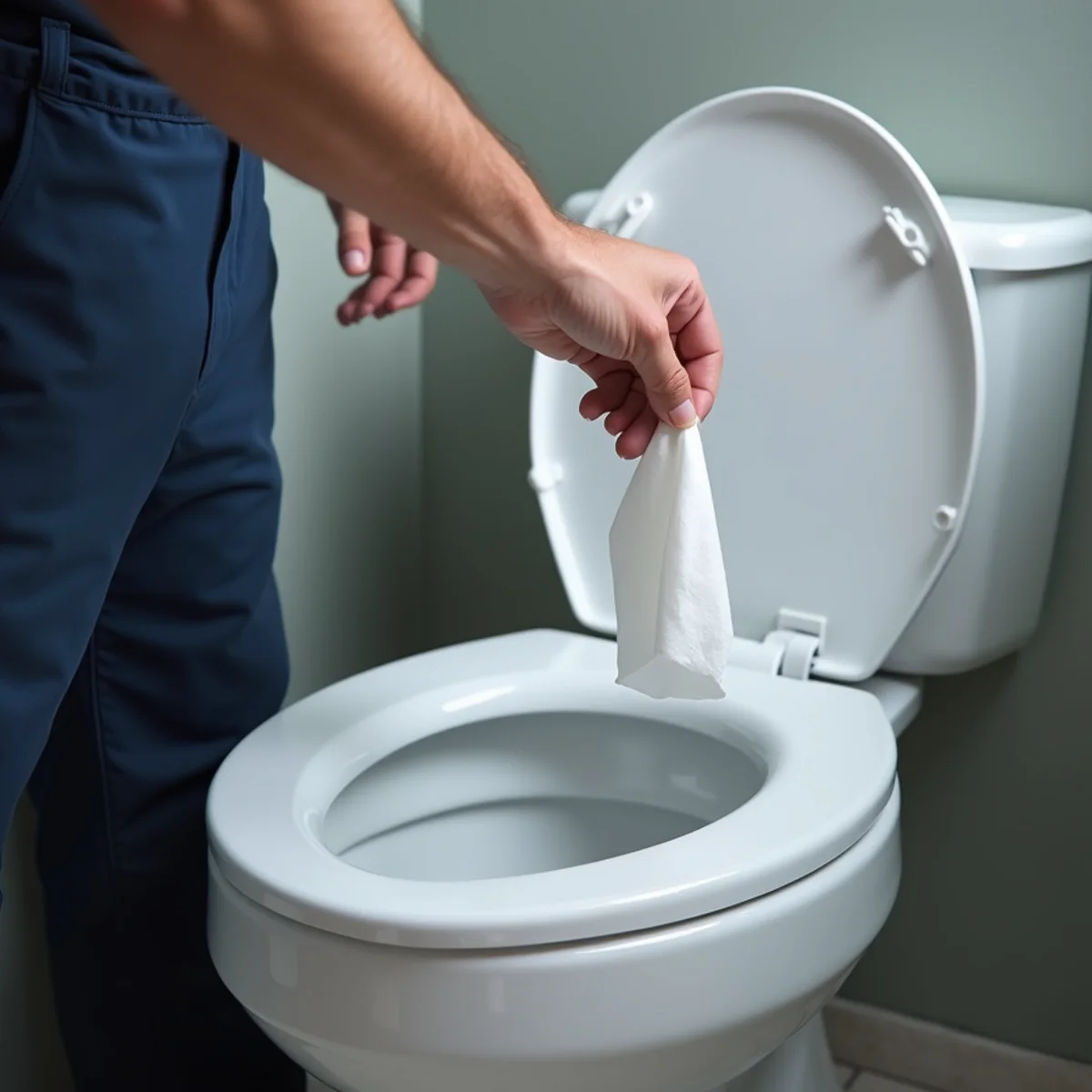
Never flush wipes
Even 'flushable' wipes don't break down and are a leading cause of main-line backups. Trash them instead.
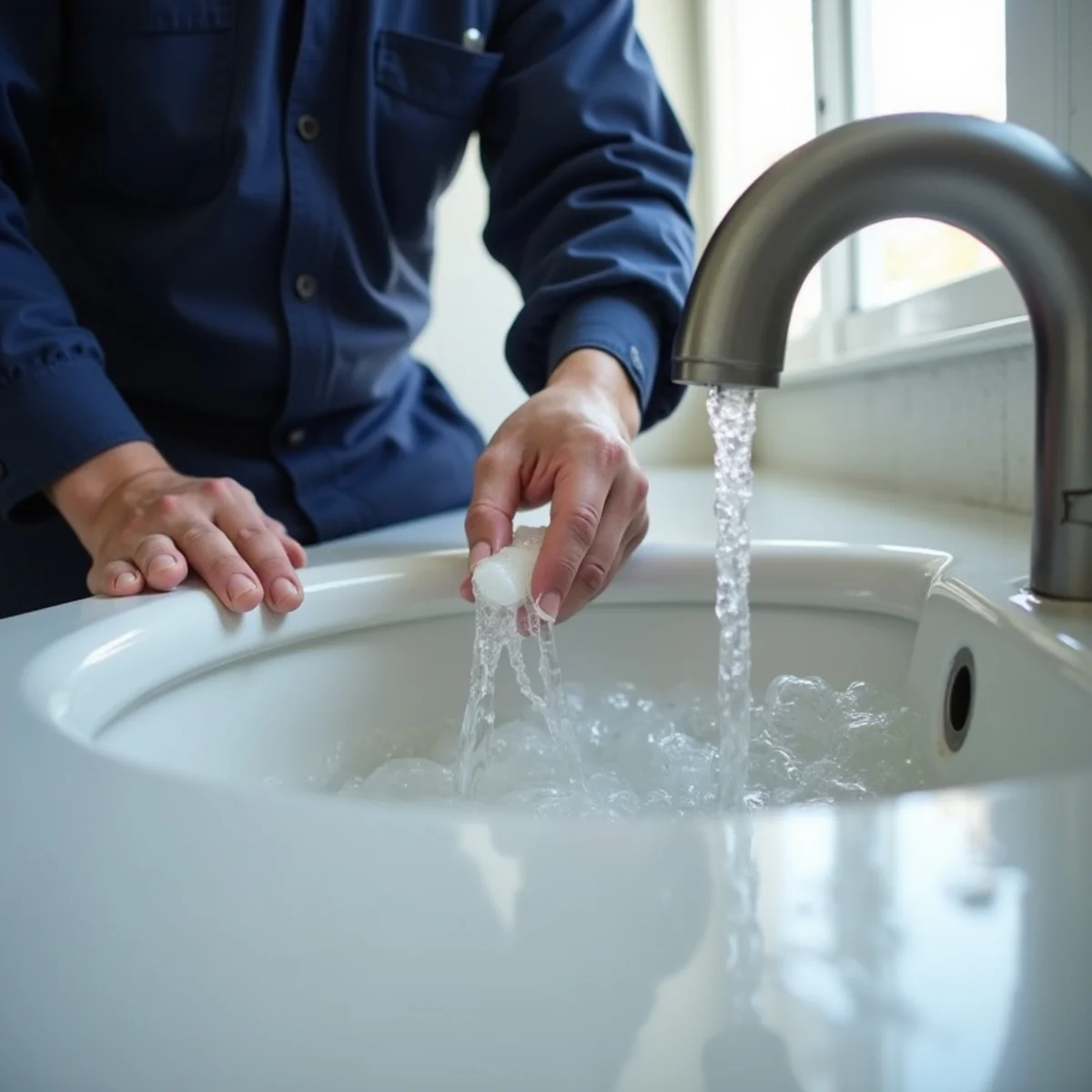
Rinse away soap scum
Soap scum narrows drains over time. A periodic hot-water flush keeps bathroom lines running freely.
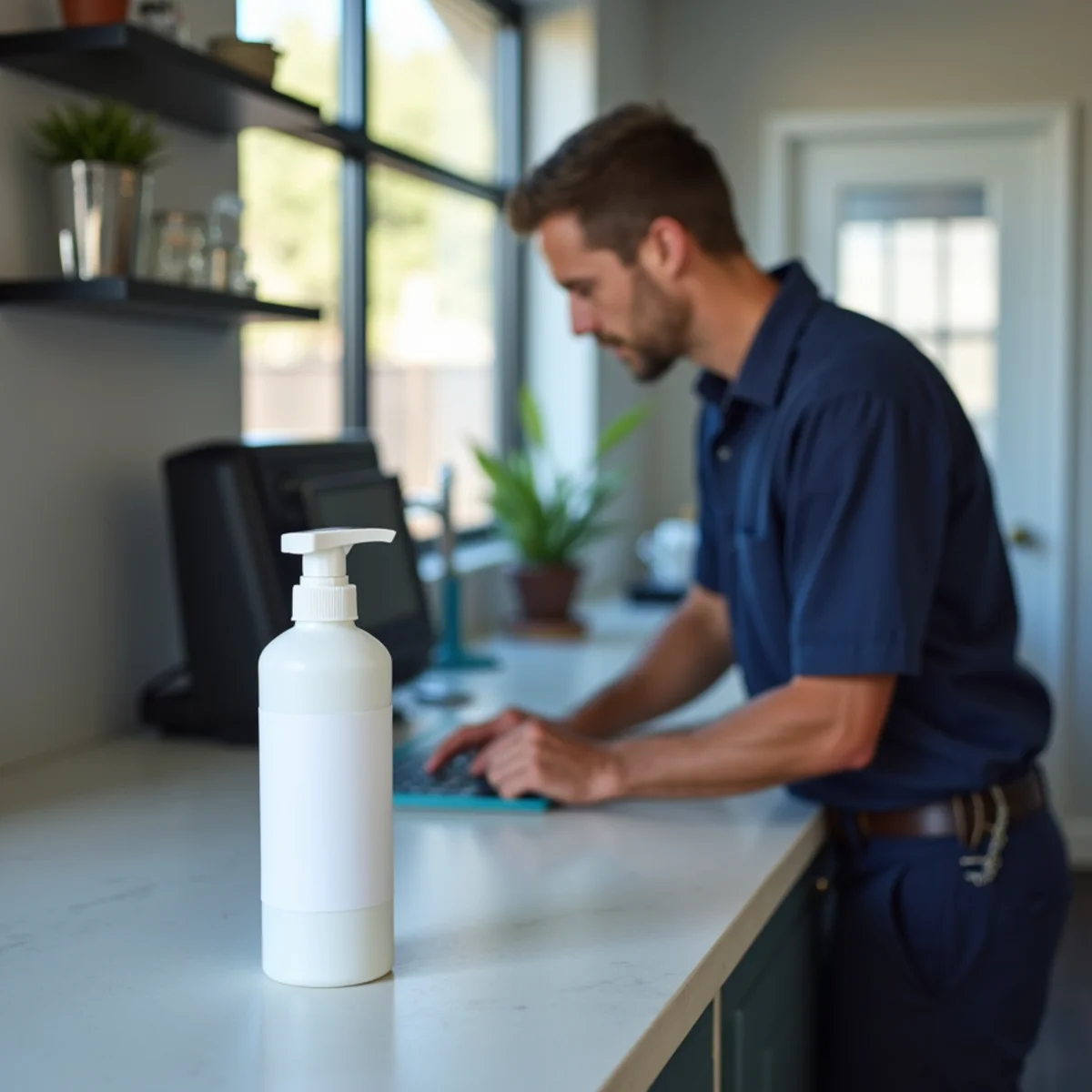
Skip chemical drain cleaners
Caustic cleaners can damage pipes and seldom fix the real cause. Mechanical clearing is safer and lasts longer.
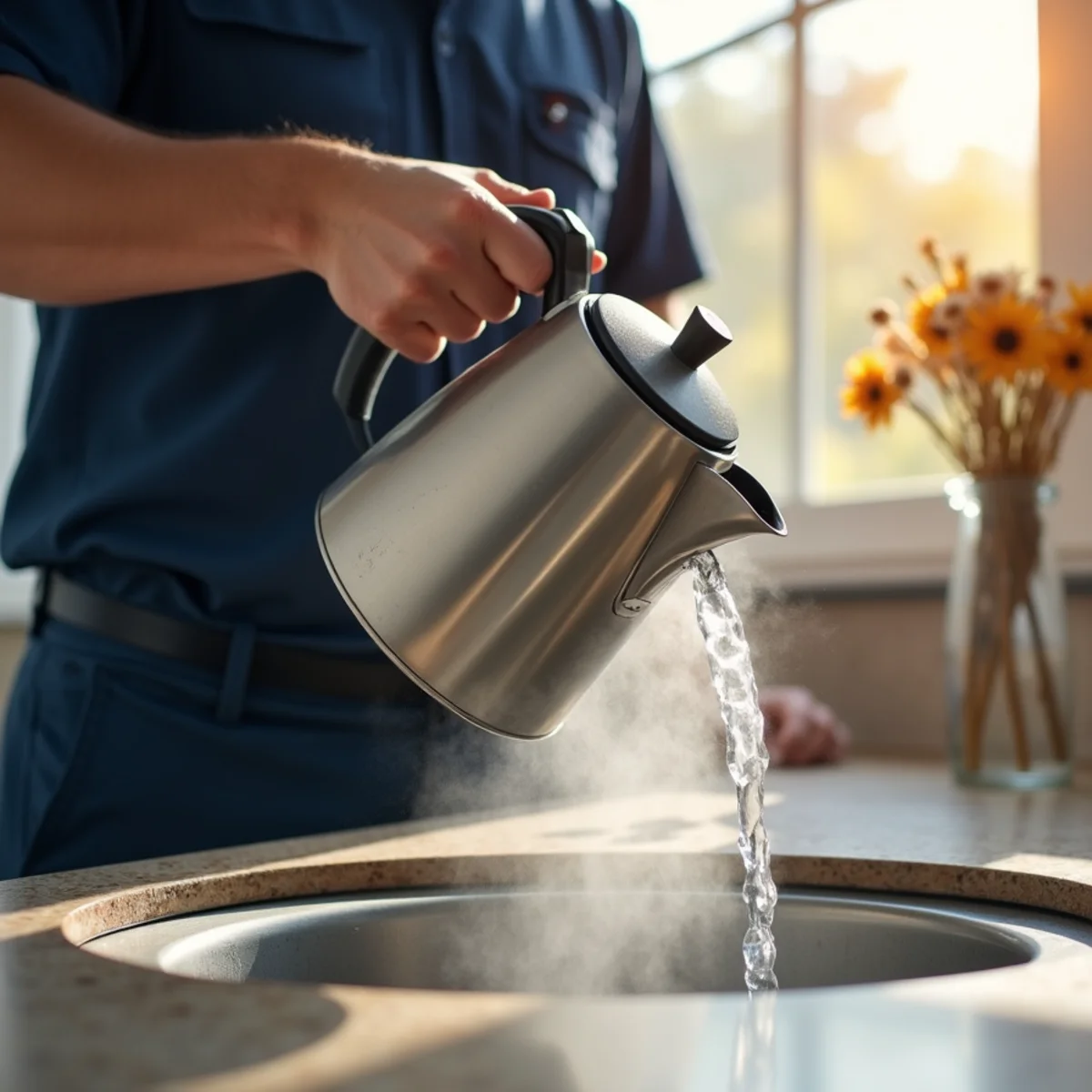
Flush drains with hot water
A regular hot-water flush melts light grease and soap buildup before it can harden into a clog.
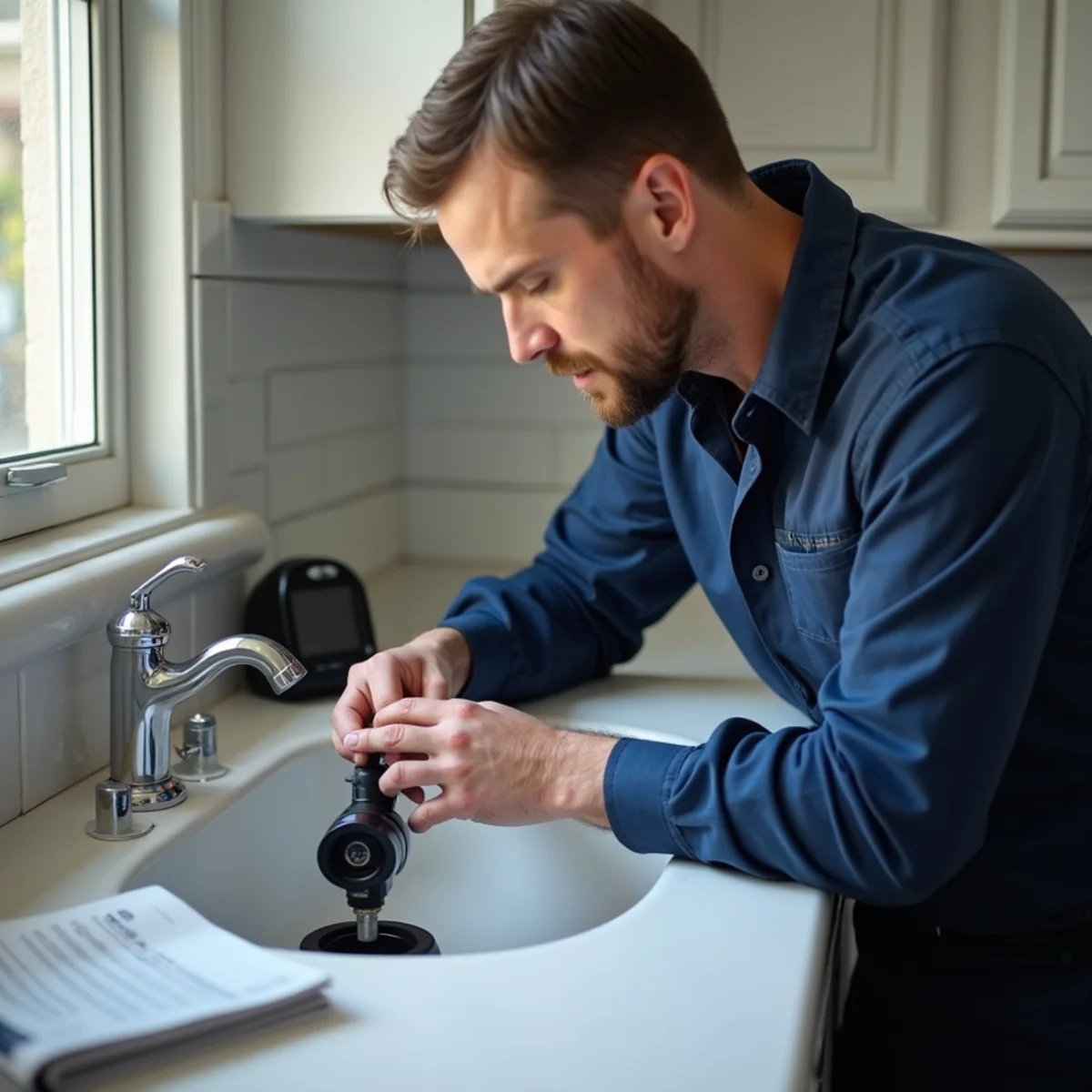
Camera-inspect repeat clogs
If a drain keeps clogging, the cause is still in the pipe. A camera inspection finds it so it's solved for good.
Know the early warning signs
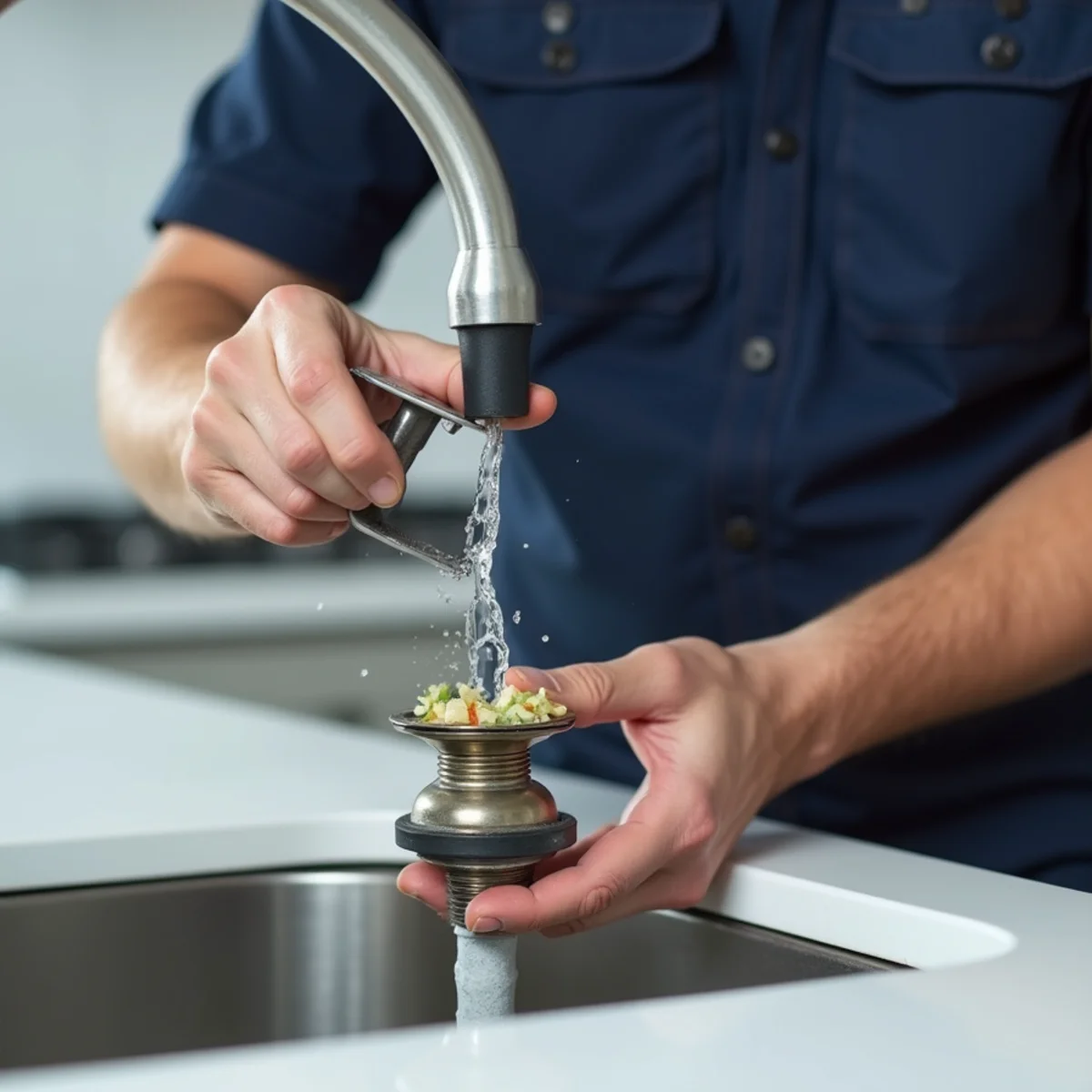
Slow drains, gurgling sounds, and odors are early signals. Acting on them — rather than waiting for a full backup — keeps the fix small. If a single drain clogs repeatedly, the cause is still in the pipe; a camera inspection ($145–$390 locally) finds it so it can be solved for good.
When roots are the problem
In older neighborhoods, tree roots in clay laterals cause recurring backups no amount of home prevention will fully stop. Hydro jetting on a maintenance schedule, or a permanent repair to the root entry point, is the real solution.
A plumber's take: the habits that cause the clogs we clear
Most of the clogs we clear trace to a handful of everyday habits: grease poured down the kitchen sink, hair with no catcher in the shower, and 'flushable' wipes that don't actually break down. None of these clog a drain overnight — they build up until flow drops. The fix is unglamorous but it works: keep grease and wipes out of the drains, use strainers, and flush with hot water now and then.
When prevention isn't enough
Home habits can't overcome a structural problem. If a drain clogs repeatedly no matter what you do, the cause is still in the pipe — grease baked onto the walls, scale, a belly in the line, or tree roots in the lateral. A camera inspection finds it, and hydro jetting or a targeted repair solves it. In older neighborhoods with clay laterals, roots in particular need a real fix, not another snake.
What to do the moment a drain slows
Acting on the first sign of a slow drain is the difference between a two-minute fix and a backup. Start simple and safe: clear the visible stopper or strainer of hair and debris, since that's the cause more often than people expect. A plunger can clear a local clog if you seal the overflow opening first. What we don't recommend is reaching for caustic chemical drain cleaners — they can damage pipes, rarely clear a real blockage, and create a hazard for anyone who works on the line afterward. If plunging and cleaning the stopper don't restore full flow, or if more than one fixture is slow, stop there and call: multiple slow drains point to the main line, not a local clog.
The bottom line
Most clogs are preventable with a few simple habits and a strainer or two. When a drain keeps backing up anyway, stop pouring chemicals and get it looked at — the cause is in the pipe, and a camera inspection is how we find and solve it for good.
Related services & areas