Fall Plumbing Maintenance Checklist for Rialto Homeowners
By The Rialto Plumbing Pros Team · September 30, 2025 · 6 min read
A little fall maintenance prevents a lot of winter emergencies. Work through this Rialto-specific checklist before the rains arrive.
Rialto's plumbing demand rises with winter rain and the occasional cold snap. A short fall checklist now heads off the failures that turn into emergency calls later. Plan inspections before the season stresses your system, not after something breaks.
Drains and sewer
- Clear accessible drains and watch for any that run slow — a warning sign before a backup
- If you've had repeated stoppages, request a cause-based assessment or camera inspection
- Check outdoor and yard drains so winter rain has somewhere to go
Water heater
- Flush the tank to remove hard-water scale (Rialto averages 160 mg/L hardness)
- Confirm seismic strapping is compliant and secure
- Check the temperature-relief valve and look for corrosion or moisture at the base
Shut-offs and fixtures
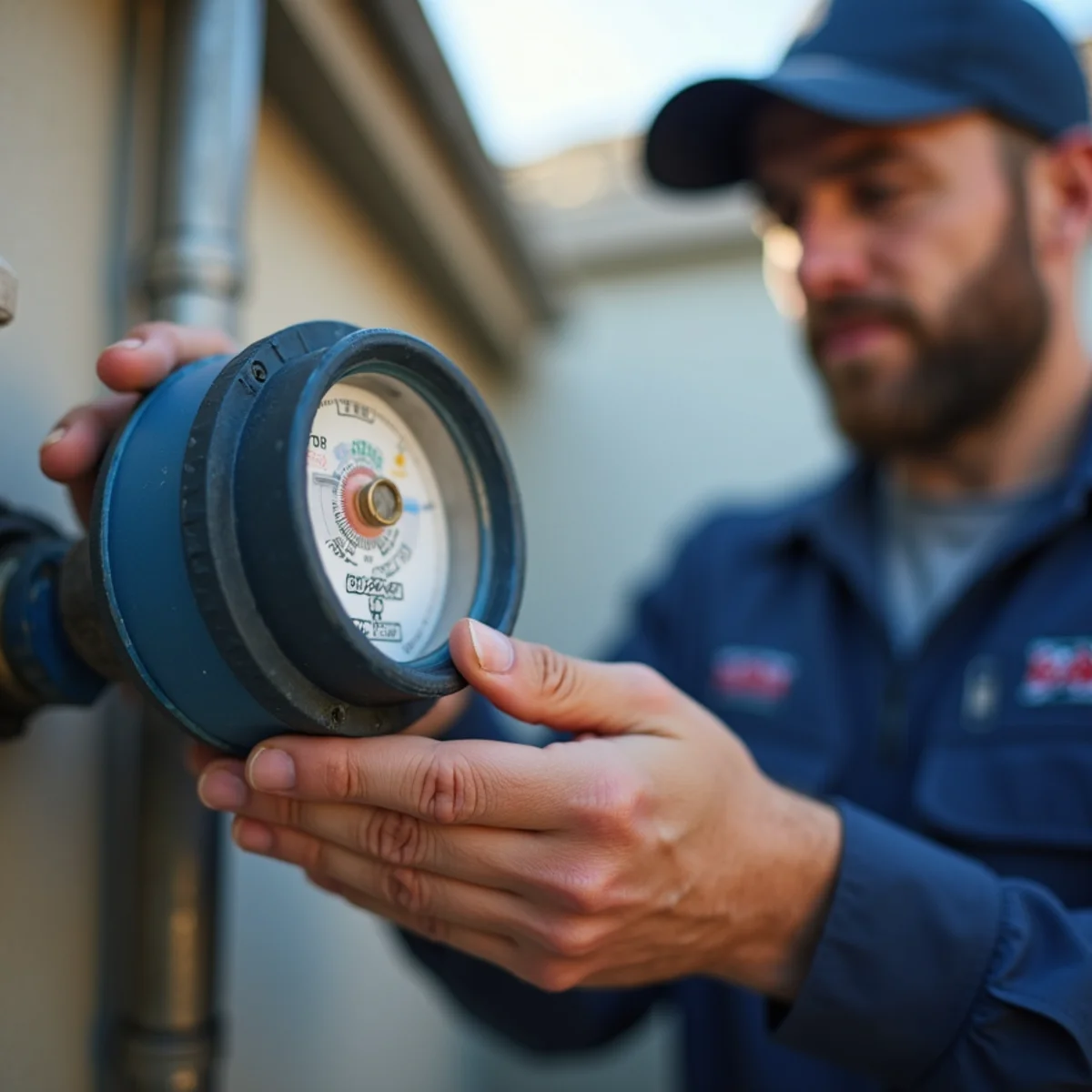
- Locate and test your main shut-off so you can act fast in an emergency
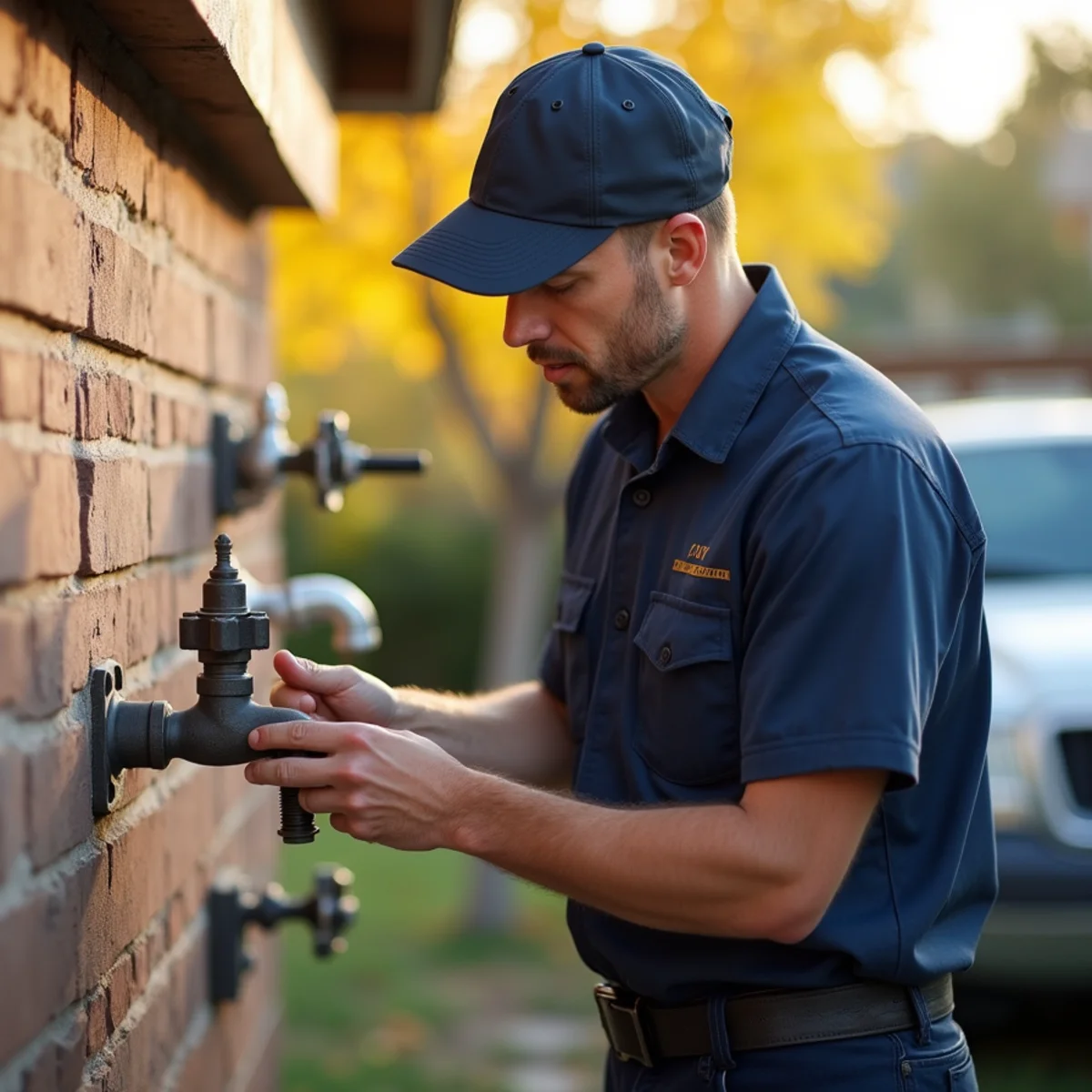
- Exercise fixture shut-off valves so they aren't seized when you need them
- Check under sinks and around toilets for slow leaks or damp spots
Outdoor and storm prep
- Inspect roof and yard drainage before the rains
- If you have a sump pump, test that it cycles and discharges properly
- Clear debris from area drains and gutters that tie into drainage
When to bring in a pro
If you find low pressure, recurring clogs, moisture where it shouldn't be, or a water heater near the end of its life, get it assessed now. A planned repair on your schedule always beats an emergency call during the first big storm.
A plumber's take: the two checks that prevent the most emergencies
If you only do two things each fall, flush the water heater and locate-and-test your main shut-off. The flush clears the hard-water sediment that shortens tank life and causes that rumbling sound; knowing your shut-off means you can stop a burst pipe in seconds instead of hunting while water spreads. Both take minutes and prevent the two calls we get most once the rains and cold arrive.
Getting ahead of storm season
Fall is also the time to think about water going the right direction. Clear yard and area drains so winter rain has somewhere to go, and if you have a sump pump, test that it cycles and discharges before you need it. For homes that have had backups, a pre-season camera inspection catches root intrusion while you can still schedule the repair on your terms — not during the first big storm.
Carrying maintenance into spring and summer
Fall prep gets you through winter, but a light seasonal rhythm the rest of the year prevents the surprises. In spring, check for any freeze damage that only shows once you're using outdoor faucets again, and clear debris the storms left in area drains. As summer demand climbs — more laundry, more showers, more irrigation — watch for pressure changes and keep an eye on the water heater, which works hardest under heavy use. Mid-year is also a good time to test the sump pump so it's ready long before the next storm season, and to schedule any camera inspection you've been putting off. Spreading small checks across the year turns plumbing maintenance into a habit instead of a scramble.
The bottom line
A short fall checklist prevents most winter plumbing emergencies. Flush the heater, test your shut-offs, clear the drains, and check the sump pump before the weather turns. If anything looks off, get it assessed now — a planned repair always beats an emergency call in the rain.
A room-by-room fall walkthrough
While you're at it, exercise the shut-off valves you rarely touch. Angle stops under sinks and behind toilets can seize in the open position over the years, so a valve you can't close is no help in an emergency. Turning each one off and back on keeps it working and tells you which ones are due for replacement — a small job now that saves a scramble when a fixture starts leaking during the holidays.
Beyond the big two checks, a quick walkthrough catches the small stuff before winter. Under sinks, look for damp cabinet bottoms and corroded supply lines. At toilets, check for rocking or a running fill valve. At the water heater, look for moisture at the base and confirm the seismic strap is secure. Outside, clear debris from area drains and check that downspouts carry water away from the foundation. None of these take long, and each one is a small problem now instead of an emergency call during the first big storm.
Related services & areas