Commercial Plumbing & Backflow Testing: A Property Manager's Guide
By The Rialto Plumbing Pros Team · November 19, 2025 · 7 min read
For property managers, plumbing is a compliance and uptime issue. Here's a practical guide to commercial maintenance, backflow testing, and avoiding downtime.
For a property manager, plumbing isn't just repairs — it's compliance, tenant satisfaction, and uptime. A failure during business hours means lost revenue and unhappy tenants. A proactive plan keeps small issues from becoming emergencies and keeps you on the right side of code.
Backflow prevention testing
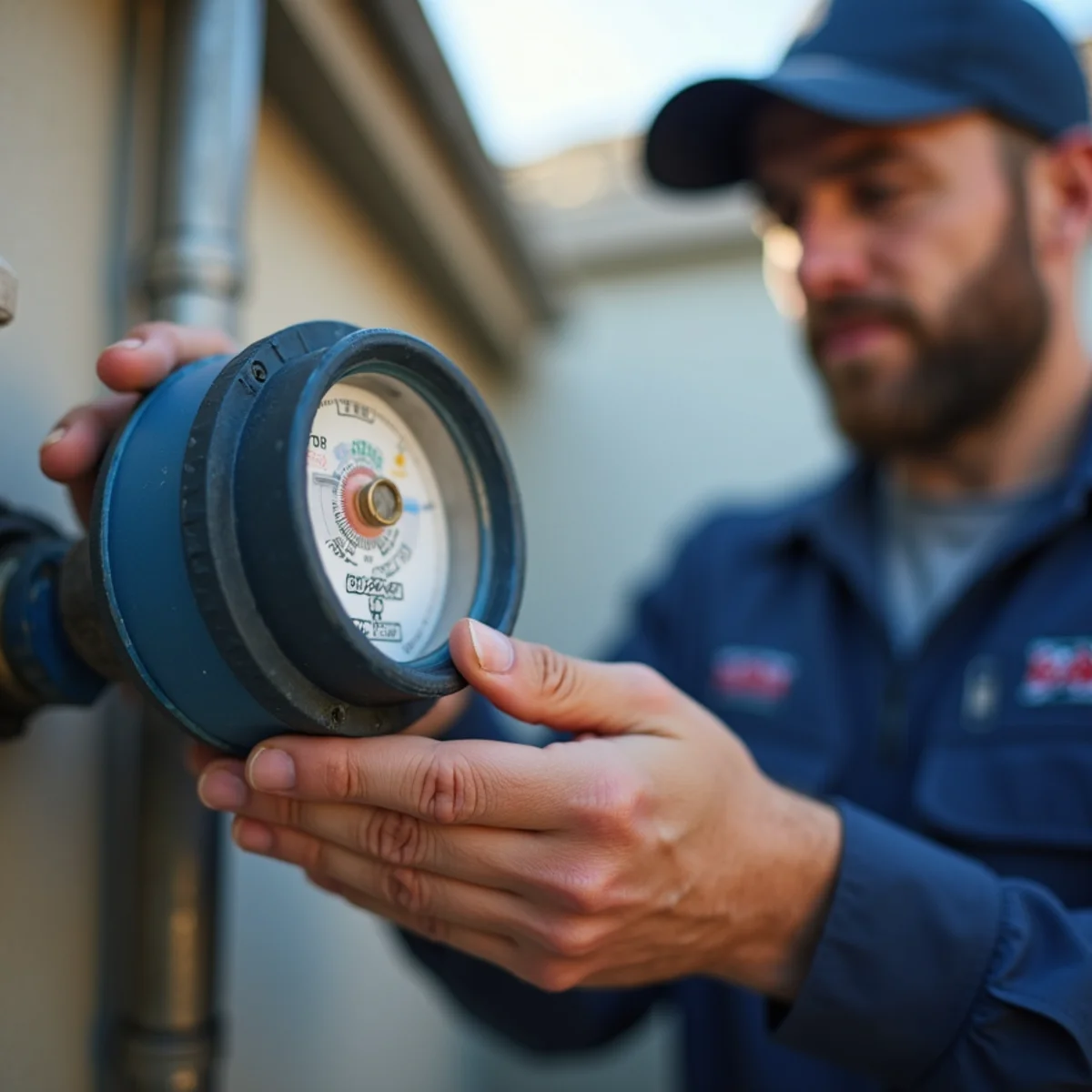
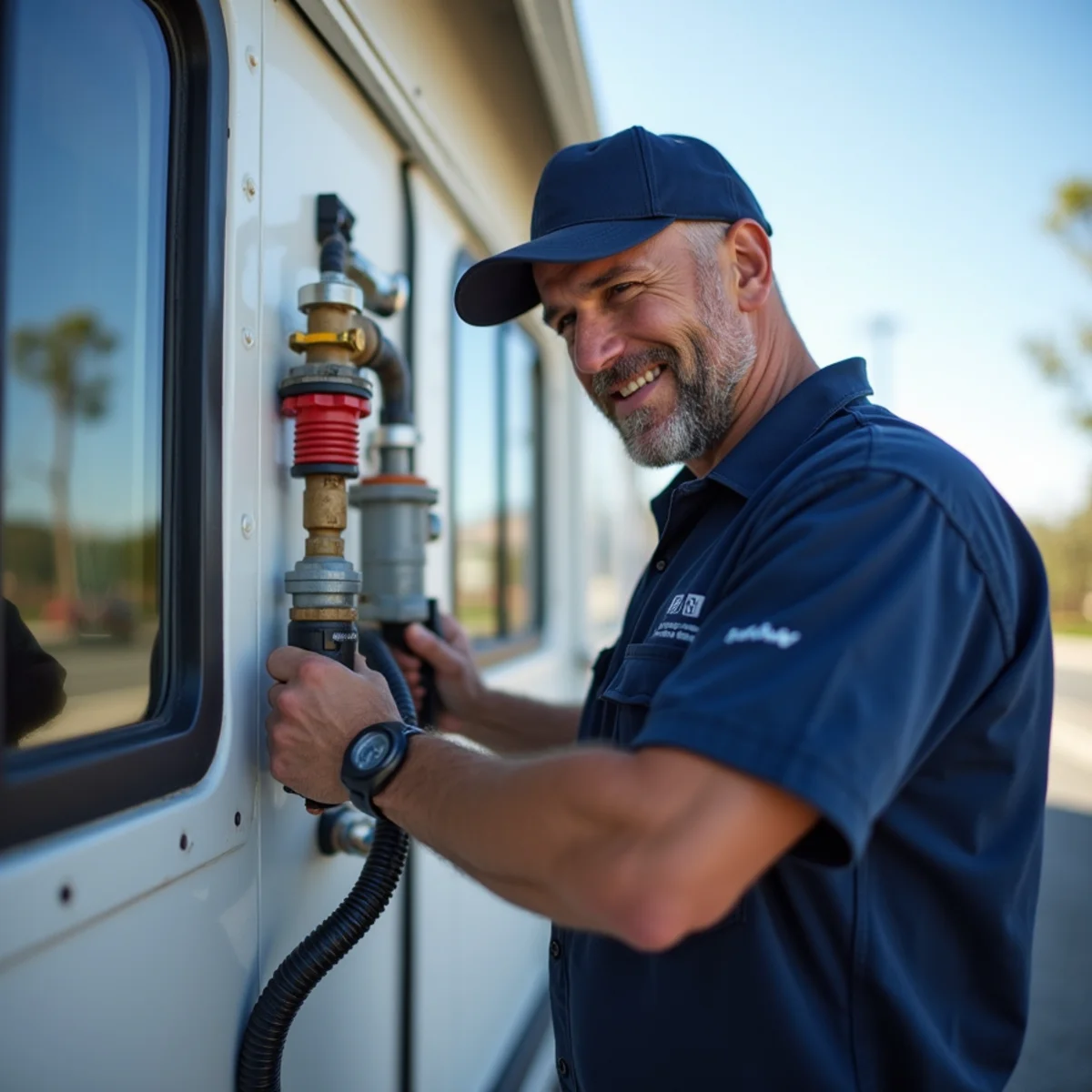
Commercial properties with irrigation, fire-suppression, or certain fixtures are typically required to have backflow prevention devices tested and certified on a schedule by your water district and the City of Rialto. Missing a test can mean penalties or a shut-off notice. Keep a calendar of test dates and use a licensed provider who supplies the certification paperwork.
Preventive maintenance pays
- Schedule drain and grease-line jetting for food-service tenants before problems surface
- Inspect commercial water heaters and gas piping annually
- Camera-inspect main lines periodically in older buildings
- Track recurring issues by unit to spot systemic problems early
Restaurants need special attention
Food-service grease lines are the most common source of commercial backups. Recurring grease clogs are best solved with camera inspection and hydro jetting on a maintenance schedule ($290–$780 locally per jetting), not emergency clears during dinner service. A grease-management plan protects both the tenant and the building.
Choose the right partner
Look for a licensed C-36 contractor who works around your hours, provides written scopes and milestone billing on larger projects, offers 24/7 emergency response, and documents everything for your records. Verify the license status and classification through the CSLB before signing a maintenance agreement.
A plumber's take: turning emergencies into a maintenance schedule
The most expensive commercial plumbing is the emergency during business hours. For food-service tenants, recurring grease backups are predictable — and preventable — with camera inspection and hydro jetting on a set schedule instead of frantic clears during dinner service. For multi-tenant buildings, tracking recurring issues by unit reveals systemic problems early. A maintenance plan trades unpredictable downtime for scheduled, budgeted work.
Compliance is a calendar, not a scramble
Backflow prevention testing is typically required annually — sometimes more often for higher-hazard sites — by your water district and the City of Rialto. Missing a test can mean penalties or a shut-off notice. We keep your test dates on a calendar, perform the certification, and file the paperwork, so compliance is handled before it becomes a problem. The same discipline applies to commercial water-heater and gas-line inspections.
Building a realistic plumbing maintenance budget
Smart property managers treat plumbing as a planned line item, not a series of surprises. Start by mapping the building's systems and their ages — water heaters, backflow devices, main and branch lines, and any food-service grease lines — then schedule the predictable work: annual backflow certification, periodic grease-line jetting, and water-heater and gas-line inspections. Set aside a reserve for the larger, inevitable projects (a commercial water heater or a section of aging sewer) so they don't blow a quarter's budget when they arrive. Tracking recurring issues by unit reveals systemic problems worth fixing once rather than repeatedly. A documented maintenance plan turns plumbing from an unpredictable emergency expense into a manageable, forecastable cost — and keeps tenants happy and compliance current.
The bottom line
For property managers, plumbing is uptime, compliance, and tenant satisfaction. A licensed C-36 partner who works around your hours, documents every visit, and keeps your backflow and maintenance on schedule turns plumbing from a fire drill into a line item. That's how we work with Inland Empire properties.
What to look for in a commercial plumbing partner
Finally, ask for references from properties similar to yours and confirm the company carries adequate liability and workers' compensation coverage — on a commercial site, an uninsured plumber's mistake can become your liability, so proof of coverage is not a formality but a basic requirement before anyone works on your building.
It's also worth asking how a prospective partner handles after-hours calls and documentation. A commercial account that answers 24/7, sends the same familiar techs, and files backflow and maintenance records without being chased is the one that keeps your building running and your inspections clean. Get the response-time expectations and the reporting format agreed in writing before you sign a maintenance agreement, so there are no surprises the first time something fails during business hours.
Not every plumber is set up for commercial work. Look for a verifiable California C-36 license, proof of insurance and workers' compensation, and a track record with properties like yours — restaurants, offices, retail, or warehouses. Ask how they schedule around operating hours, whether they provide written scopes and certifications, and how they bill larger projects. A partner who documents every visit and keeps your compliance dates on a calendar saves you far more than the difference in hourly rate, because the real cost of commercial plumbing is downtime, not the invoice.
Related services & areas